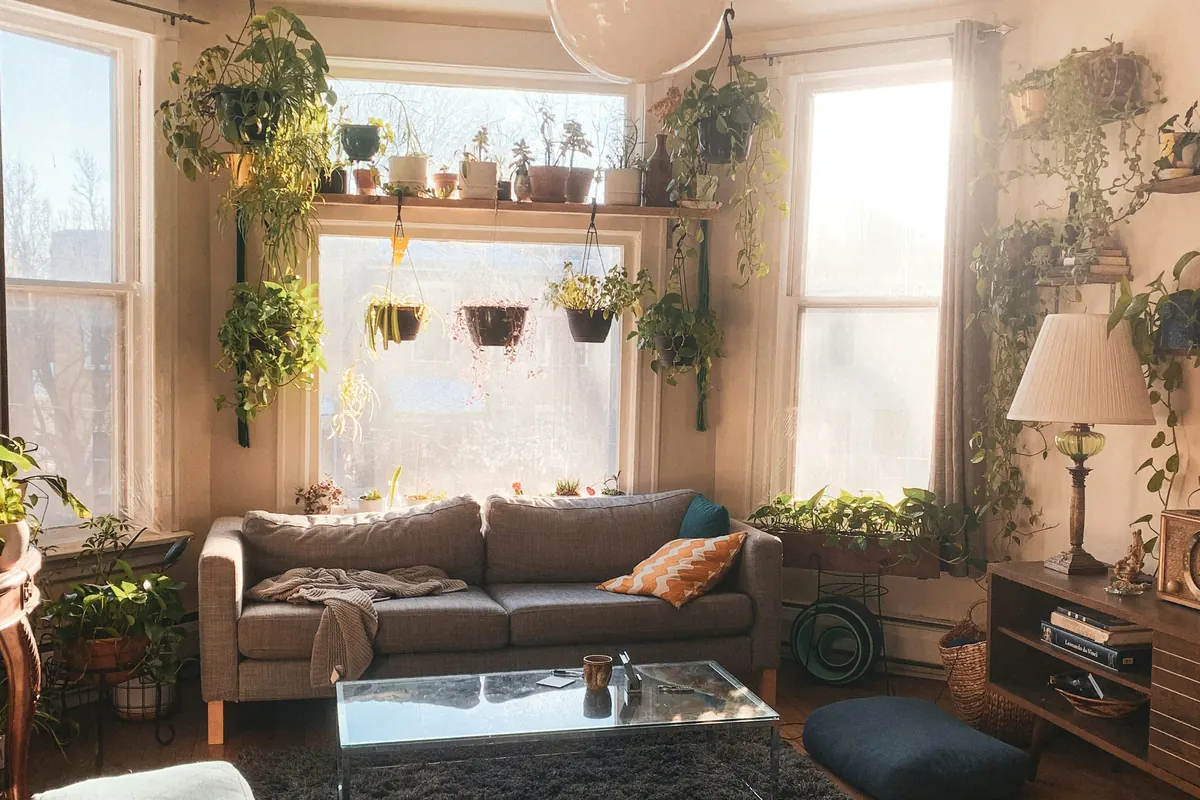
It's 6:43 on a Tuesday evening.
The kettle is humming. There's a coat on the chair, a laptop on the dining table, and a pile of books that seems to move around the apartment without ever finding a permanent address.
From the kitchen, you can see the sofa. From the sofa, the bed is almost visible. And somewhere between the window and the front door, an entire day has unfolded.
The apartment is small. But the life inside it isn't.
We often approach small-space design as a problem of mathematics: how many things can fit into how many square feet? Yet the most interesting question is rarely how to make a room hold more. It's how to make the room work better for the people living there.
Welcome to the ORIGIN small-space advice column: six questions we might all ask ourselves, and six answers that begin with what we already have.
01 — "My front door opens straight into the living room. How do I create an entryway?"
ORIGIN answers
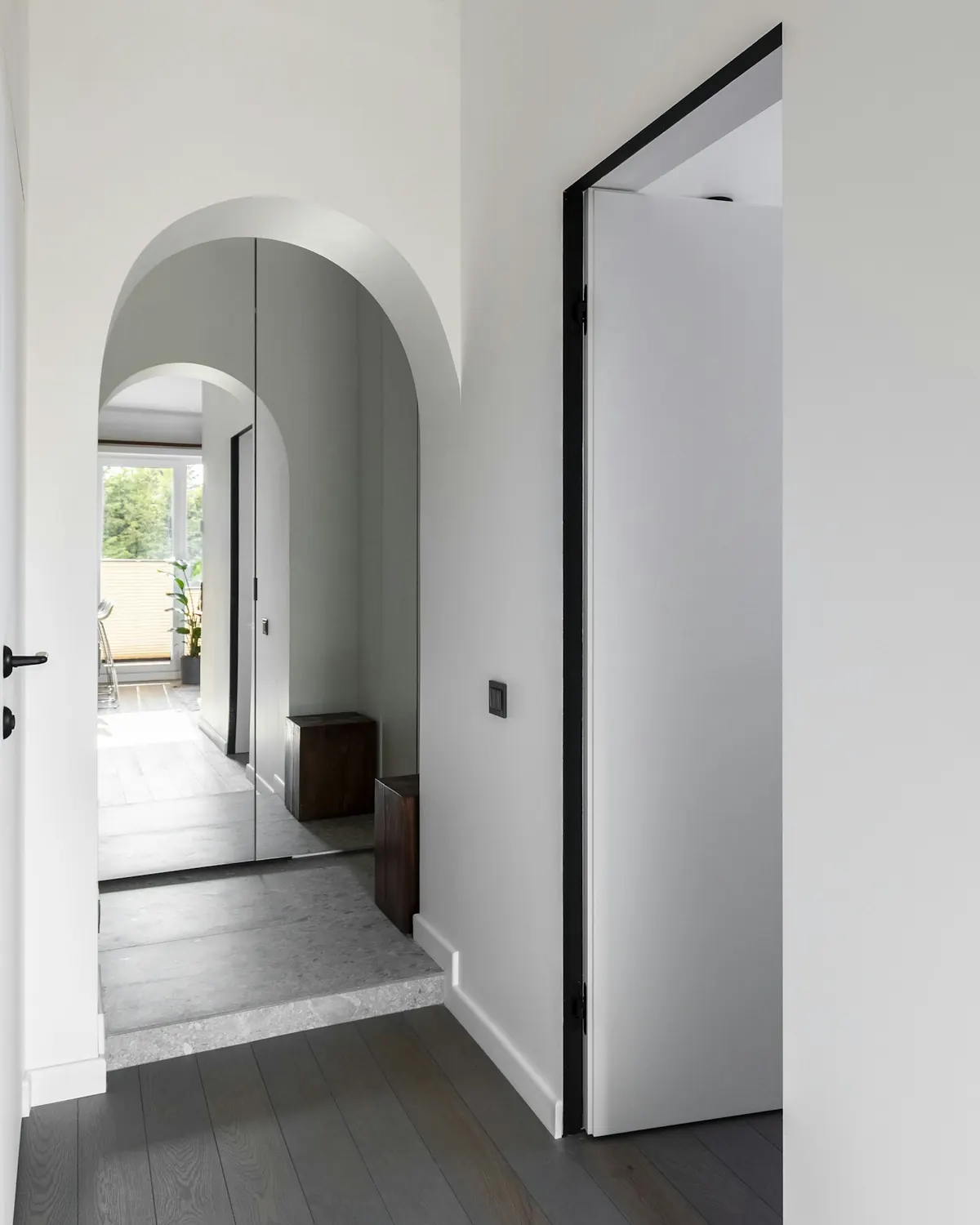
Start by forgetting what an entryway is supposed to look like. You don't need a console table, a large mirror, and a perfectly coordinated set of hooks to create the feeling of arrival. You need somewhere to make the transition from outside to inside.
Look for an existing surface near the door: the end of a bookshelf, a small table, a sturdy shelf. Give your keys a bowl. Decide where your bag belongs. Find a sensible place for shoes without blocking the door, and leave enough room to walk comfortably.
Try today: Bring one small container from another room and make it your permanent landing place.
An entryway isn't defined by its furniture. It's defined by what happens when you come home.
02 — "My living room is also my office and dining room. Why does it always feel unfinished?"
ORIGIN answers
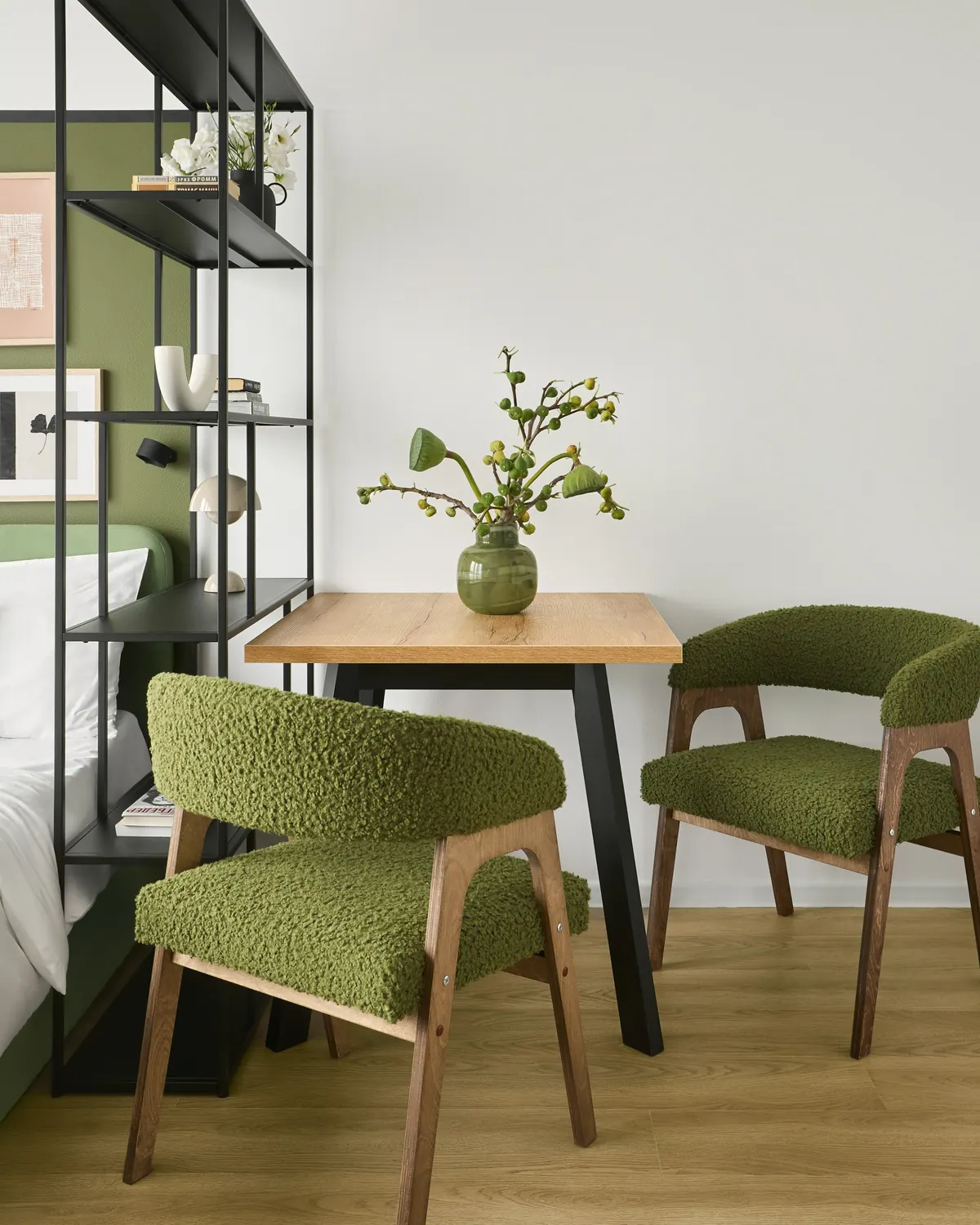
Because the room is constantly changing jobs. At nine in the morning, the table is your desk. At lunchtime, it's somewhere to eat. By evening, you'd like it to stop reminding you of unanswered emails.
Instead of dividing the room into imaginary smaller rooms, create small transitions between activities. Keep work essentials together in a tray, drawer, or container that already exists, and put the group away when work ends. Change the lighting when the activity changes.
Try today: Give your workday a closing ritual. Clear the table, move one object, and switch on the light you associate with relaxing.
You don't need three rooms. You need a way to let one room become three different experiences.
03 — "Should I replace my sofa with something smaller?"
ORIGIN answers
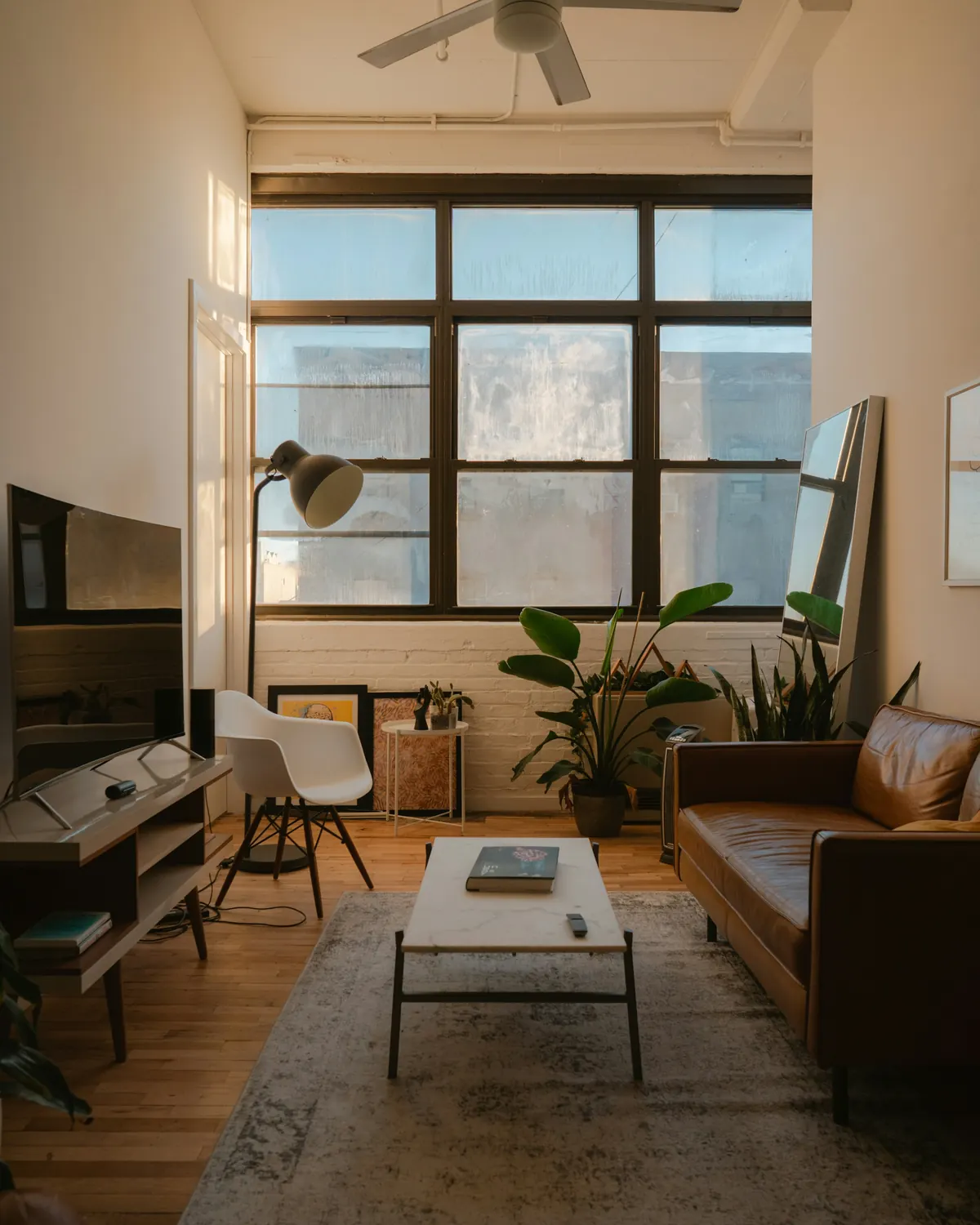
Not necessarily. A small room doesn't always benefit from a collection of tiny furniture. Sometimes a comfortable sofa works beautifully when the surrounding space is kept simple.
Before replacing anything, look at the paths people actually take through the room. Does the coffee table interrupt the route to the window? Could moving the existing furniture a little improve circulation? Try removing one unnecessary piece before introducing another, and never compromise access to doors, escape windows, or walkways.
Try today: Move one small object out of the way and walk through the room as you normally would.
You may not need a smaller sofa. You may need a better relationship between the furniture you have.
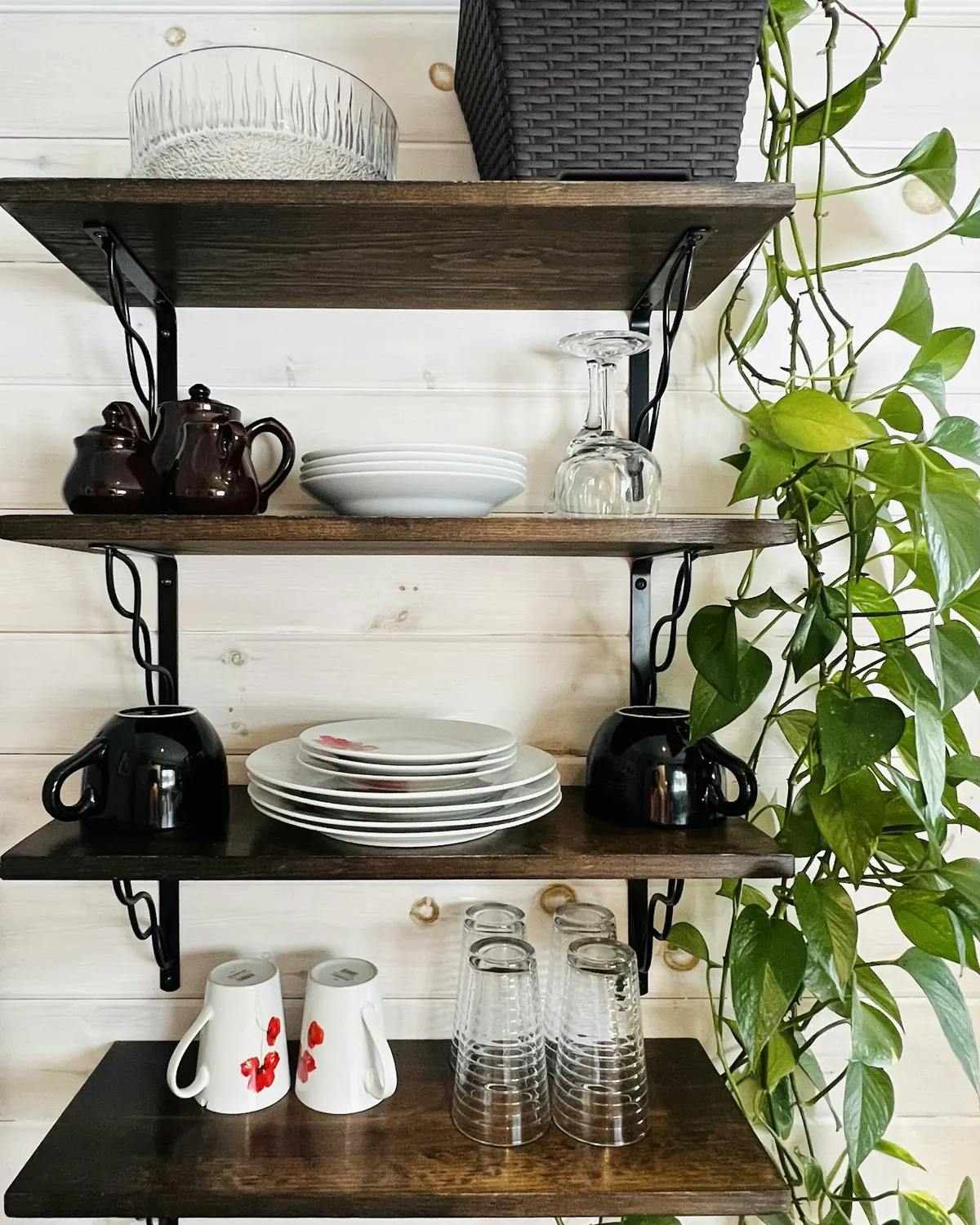
04 — "I need storage, but every new shelf makes my apartment feel more crowded. What am I doing wrong?"
ORIGIN answers
Perhaps you're starting with the shelves instead of the objects. What do you use every week? What belongs to another season? What are you holding onto because you haven't decided what to do with it?
Give frequently used objects the easiest places to reach. Store less-used belongings inside furniture that already has drawers or cupboards. Let open shelves display a thoughtful selection rather than the entire contents of your home. Tall or unstable storage needs proper anchoring to prevent tip-overs.
Try today: Empty one shelf and return only the things you actually need or enjoy seeing there.
Sometimes better storage begins with less pressure to display everything.
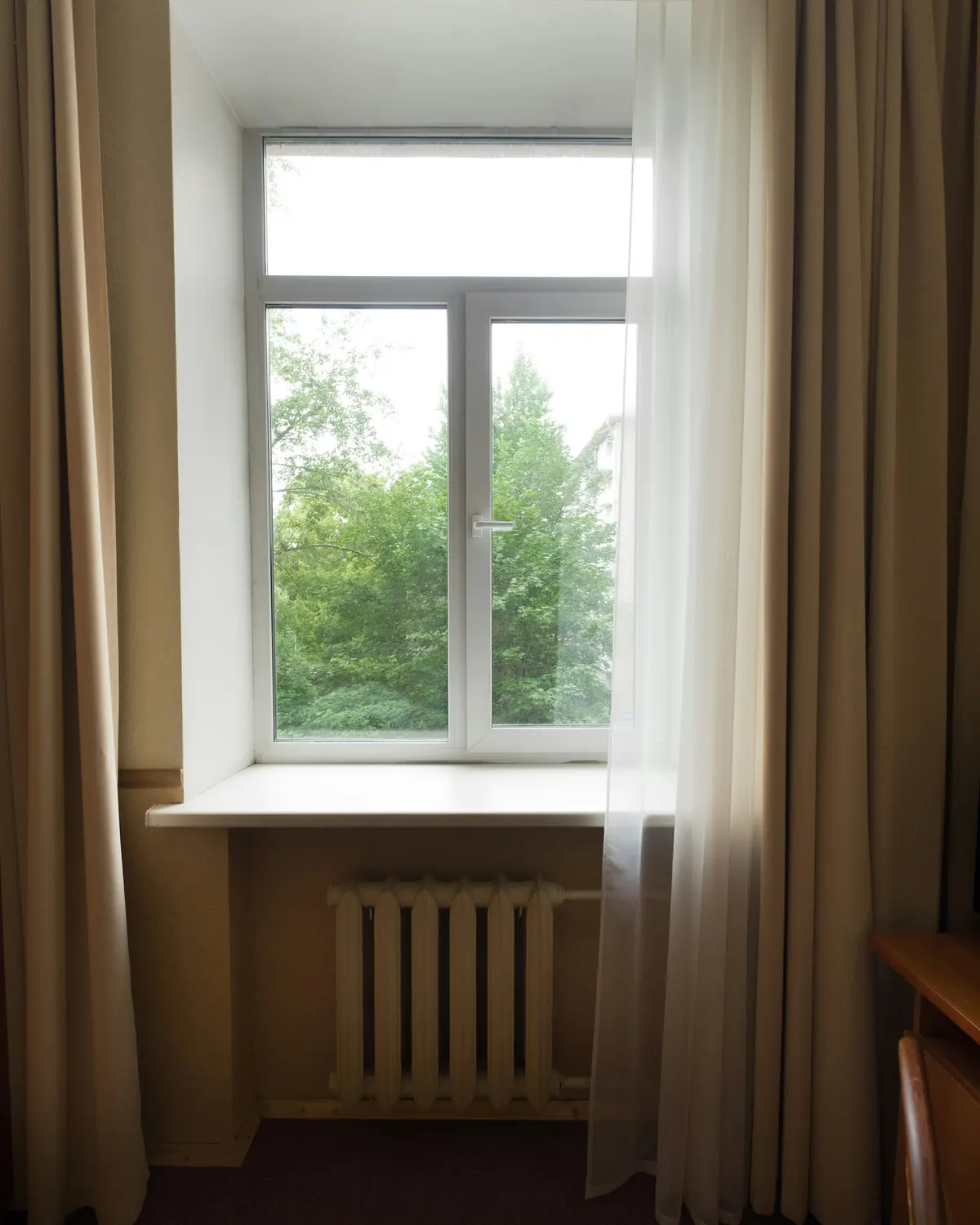
05 — "My apartment doesn't get much daylight. How do I make it feel brighter without painting everything white?"
ORIGIN answers
Start with the window, not the paint. Check whether a large piece of furniture, a heavy curtain, or an overfilled windowsill is blocking light, and move what you can without sacrificing privacy or safety.
Then pay attention to the light after sunset. A lamp near your favorite seat might be more helpful than trying to illuminate every corner equally. A mirror may reflect daylight, but its placement matters: avoid glare and secure it properly.
Try today: Spend one evening comparing the lamps you already own.
The goal isn't to make your apartment look like somebody else's. It's to find the light that suits yours.
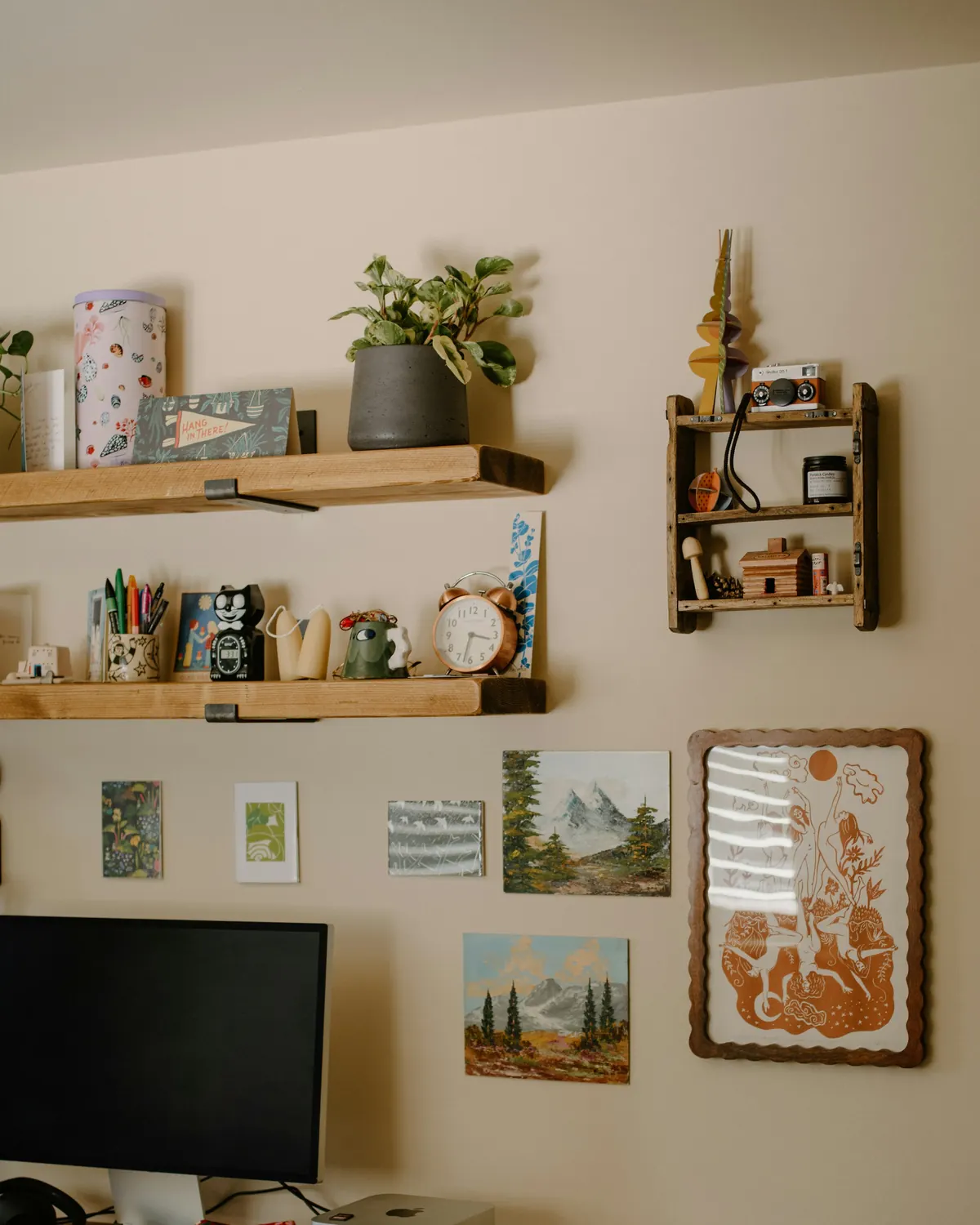
06 — "I love books, photographs, and objects with stories. How do I show them without making the room feel cluttered?"
ORIGIN answers
This might be our favorite question, because character and square footage have very little to do with each other. You can live in a compact studio and still have a home full of personality.
The secret is not to abandon your collections. It's to give them room to be noticed. Choose one shelf, table, or corner. Bring together a photograph, a book, and a small keepsake; vary their heights and textures, then leave a little space around them. Some pieces can wait for their turn.
Try today: Choose three objects you love and give them one place to share.
A small home doesn't need less personality. It needs a little more intention about where that personality lives.
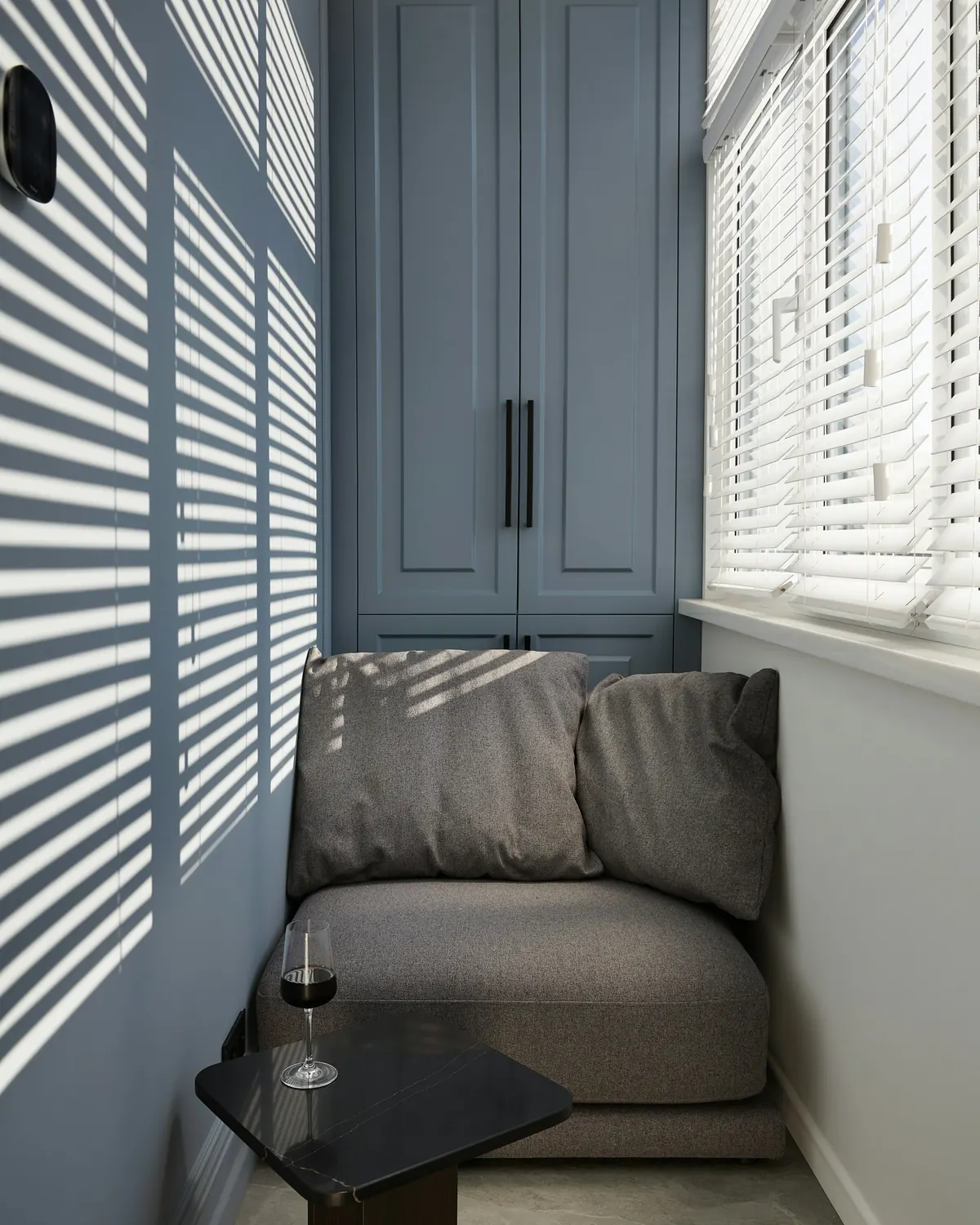
What does your small space need most?
The one thing a small room doesn't need
It doesn't need to apologize for being small.
We spend so much energy trying to make compact homes appear larger that we sometimes overlook their advantages. Everything can be close at hand. A favorite chair can feel like a destination. A single beautiful object can command attention without needing an entire wall.
Of course, limited space can be frustrating. Storage, privacy, and competing activities are real challenges. But designing for a small home doesn't have to mean designing against it.
A small home doesn't need to hold less life. It needs to make more room for the life that matters.
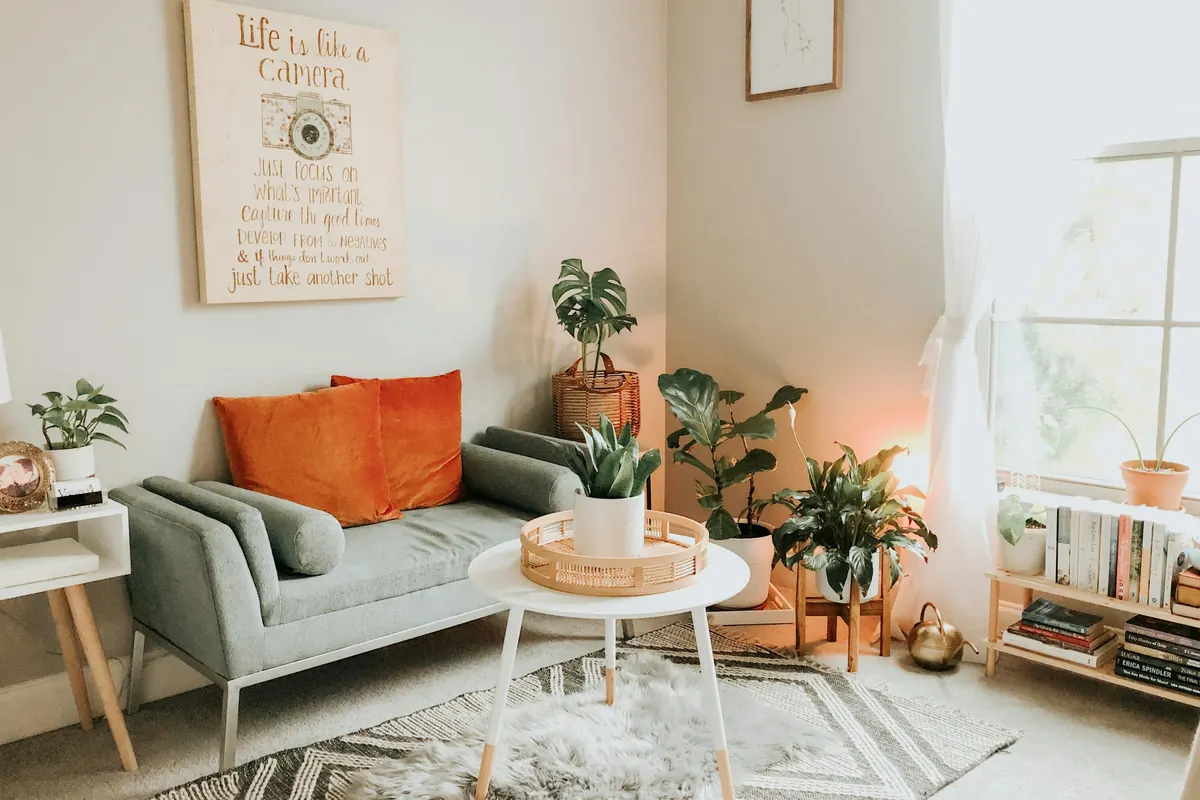
The 20-minute small-space reset
- 1Minutes 0–4: observe.
Where do you walk, sit, work, and leave your things?
- 2Minutes 4–8: clear.
Remove objects that interrupt one everyday activity.
- 3Minutes 8–12: reassign.
Give three frequently used things a permanent place.
- 4Minutes 12–16: personalize.
Bring back one object that makes the room feel like yours.
- 5Minutes 16–20: test.
Walk through the room, sit down, and use it normally. Keep pathways clear and furniture stable.
Don't photograph the result immediately. Live with it for an evening first.
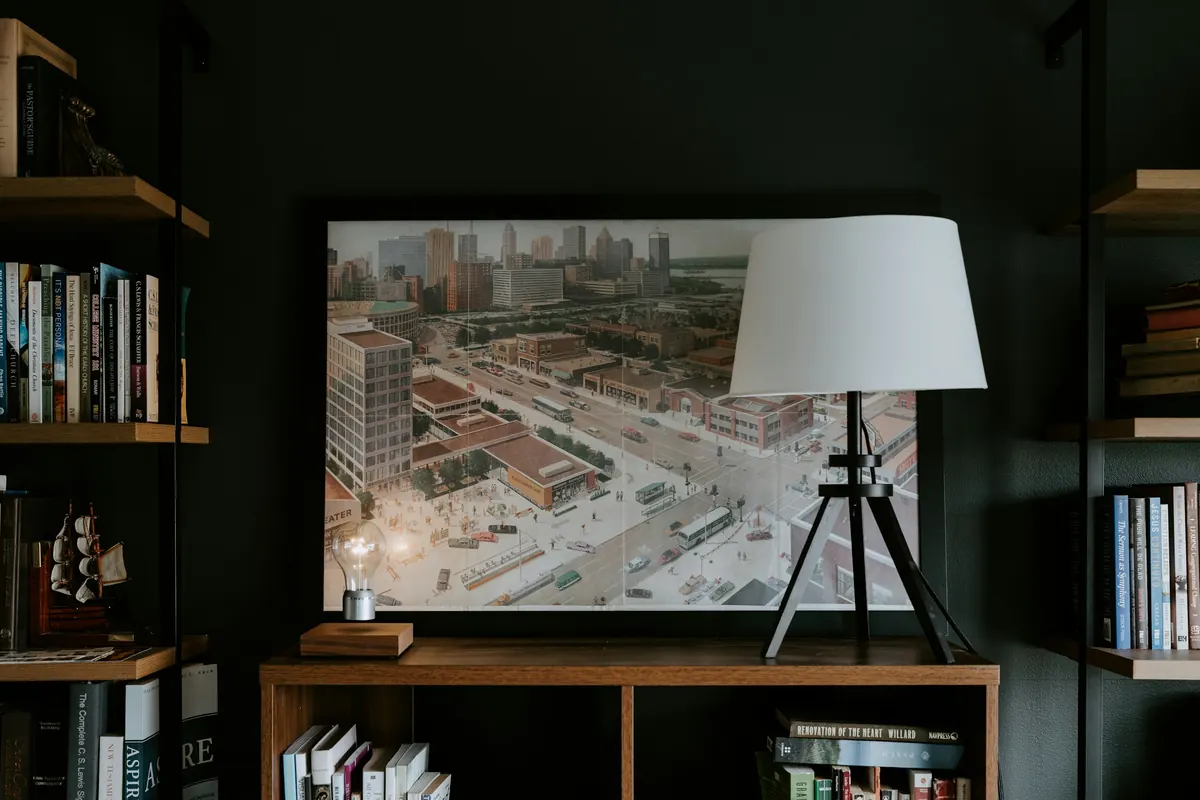
The room you come back to
It's 9:18 p.m. The laptop has been put away. The table is clear enough for dinner tomorrow. The coat has finally found its place.
There's still a stack of books beside the sofa. You decide to leave it there.
The apartment hasn't gained an extra room or a single square foot. But it feels easier to inhabit.
If you're drawn to homes with character rather than perfection, you'll find a similar philosophy in our story about living with the spirit of a Paris apartment.
Because the real ambition isn't to make a small home pretend to be large. It's to make the space you have feel unmistakably yours.
Sources & notes
- This article uses no statistics. The six questions are generic situations written by the editors, not messages from real readers.
- Anchoring tall furniture: U.S. CPSC, Anchor It! Keeping doors, escape windows and routes clear: U.S. Fire Administration.
- Photos (Unsplash License): Michael Oxendine, Annie Spratt, ANGÉLICA SABINA, Kelly Sikkema, Kate Darmody, Marina Nazina, Irena Oze, Annie Vo, Aleksandra Dementeva, Yehleen gaffney.
Son las seis y cuarenta y tres de un martes.
La pava está calentándose. Hay un abrigo sobre la silla, una computadora en la mesa y una pila de libros que parece viajar permanentemente de un rincón al otro sin encontrar destino.
Desde la cocina se ve el sofá. Desde el sofá casi se alcanza a ver la cama. Y entre la ventana y la puerta de entrada transcurrió un día entero.
El departamento es chico. La vida que sucede adentro, no tanto.
Muchas veces pensamos la decoración de espacios pequeños como un problema matemático: cómo hacer entrar más cosas en menos metros. Pero quizás la pregunta no sea cuánto podemos guardar. Quizás sea cómo vivir mejor con lo que tenemos.
Bienvenidos al consultorio de ORIGIN: seis preguntas que cualquiera podría hacerse frente a un espacio pequeño y seis respuestas que no empiezan con una lista de compras.
01 — «Mi puerta abre directamente al living. ¿Cómo hago para tener una entrada?»
ORIGIN responde
Primero, olvidate de cómo debería verse una entrada según las revistas. No necesitás una consola, un espejo enorme y un juego completo de percheros. Necesitás un lugar donde hacer la transición entre la calle y tu casa.
Buscá una superficie que ya exista cerca de la puerta: el extremo de una biblioteca, una mesita o una repisa firme. Poné un cuenco para las llaves. Decidí dónde dejar la cartera. Encontrá un lugar práctico para los zapatos sin obstaculizar la circulación, y dejá espacio para entrar cómodamente.
Probalo hoy: llevá un recipiente de otra habitación y convertí ese pequeño lugar en tu punto de llegada.
Una entrada no se define por los muebles que tiene. Se define por lo que sucede cuando volvés a casa.
02 — «Mi living también es comedor y oficina. ¿Por qué siento que nunca está terminado?»
ORIGIN responde
Porque el ambiente está cambiando de trabajo todo el día. A la mañana, la mesa es tu escritorio. Al mediodía, tu comedor. A la noche, te gustaría poder sentarte sin seguir pensando en correos pendientes.
En lugar de dividir físicamente el espacio, probá crear pequeñas transiciones entre actividades. Reuní tus cosas de trabajo en una bandeja, un cajón o un recipiente que ya tengas y, cuando termina la jornada, guardalas juntas. También podés cambiar la iluminación según el momento.
Probalo hoy: inventá un pequeño ritual para cerrar el trabajo. Despejá la mesa y encendé una luz que asocies con descansar.
No necesitás tres habitaciones. Necesitás permitir que una habitación tenga distintos momentos.
03 — «¿Tengo que cambiar mi sofá por uno más pequeño?»
ORIGIN responde
No necesariamente. Un ambiente chico no siempre mejora llenándolo de muebles diminutos. A veces, un sofá cómodo funciona muy bien si todo lo que lo rodea está mejor organizado.
Antes de reemplazarlo, observá cómo se circula por el living. ¿La mesa ratona interrumpe el camino hacia la ventana? ¿Podrías girar o correr algún mueble? Probá sacar una pieza innecesaria antes de pensar en comprar otra, y nunca bloquees puertas, salidas ni recorridos necesarios.
Probalo hoy: retirá un objeto que estorbe y caminá por la habitación como lo hacés normalmente.
Quizás no necesitás un sofá más chico. Quizás necesitás que los muebles conversen mejor entre ellos.
04 — «Necesito guardar cosas, pero cada repisa nueva hace que mi casa se vea más llena. ¿Qué hago?»
ORIGIN responde
Quizás estás empezando por las repisas en lugar de mirar los objetos. ¿Qué usás todas las semanas? ¿Qué pertenece a otra estación? ¿Qué está ahí porque todavía no decidiste dónde ponerlo?
Reservá los lugares más accesibles para lo que usás seguido. Aprovechá cajones y muebles cerrados que ya tengas para lo menos cotidiano. Y dejá que las repisas abiertas muestren una selección, no el archivo completo de tu vida. Los muebles altos o inestables deben estar bien asegurados para evitar vuelcos.
Probalo hoy: vaciá una repisa y devolvé solamente aquello que realmente necesitás o disfrutás mirar.
A veces, organizar mejor empieza por dejar de exhibirlo todo.
05 — «Mi departamento tiene poca luz natural. ¿Cómo hago para que se vea más luminoso sin pintarlo entero de blanco?»
ORIGIN responde
Empezá por la ventana, no por el color de las paredes. Fijate si un mueble grande, una cortina demasiado pesada o demasiados objetos están bloqueando la luz, y mové lo que puedas sin perder privacidad ni funcionalidad.
Después, observá qué pasa cuando cae la noche. Una lámpara junto a tu sillón favorito puede ser mucho más útil que intentar iluminar todo con la misma intensidad. Un espejo puede reflejar claridad, pero no hace milagros: importa dónde está, qué refleja y que esté bien asegurado.
Probalo hoy: compará dos maneras de encender las lámparas que ya tenés.
No se trata de imitar una casa llena de ventanales. Se trata de encontrar la mejor luz para la tuya.
06 — «Me encantan los libros, las fotos y los recuerdos. ¿Cómo los muestro sin que mi casa parezca desordenada?»
ORIGIN responde
Esta quizás sea nuestra pregunta favorita, porque la personalidad no depende de la cantidad de metros cuadrados. Podés vivir en un monoambiente y tener una casa llena de carácter.
La clave no es abandonar tus colecciones. Es darles un lugar donde puedan apreciarse. Elegí una repisa, una mesa o un rincón. Reuní una fotografía, un libro y un objeto que signifique algo para vos; jugá con las alturas y las texturas, y dejá un poco de aire alrededor. Algunos recuerdos pueden esperar su turno.
Probalo hoy: elegí tres cosas que te encanten y encontrales un lugar para compartir.
Una casa chica no necesita menos personalidad. Necesita decidir mejor dónde quiere mostrarla.
¿Qué le está faltando a tu espacio?
Lo único que una casa chica no necesita
Es pedir disculpas por ser chica.
Dedicamos tanta energía a intentar que los departamentos pequeños parezcan más grandes que a veces nos olvidamos de sus posibilidades. Todo puede estar cerca. Un sillón favorito puede convertirse en nuestro refugio. Un solo objeto hermoso puede atraer la mirada sin necesitar una pared entera.
Por supuesto que existen dificultades reales: el guardado, la privacidad, las actividades que se superponen. Pero diseñar para un espacio pequeño no significa luchar permanentemente contra él.
Una casa chica no necesita tener menos vida. Necesita hacer más lugar para la vida que importa.
Veinte minutos para recuperar un ambiente
- 1Minutos 0–4: observá.
¿Por dónde caminás? ¿Dónde te sentás, trabajás y dejás tus cosas?
- 2Minutos 4–8: despejá.
Retirá lo que interrumpe alguna actividad cotidiana.
- 3Minutos 8–12: organizá.
Asigná un lugar fijo a tres objetos que uses seguido.
- 4Minutos 12–16: personalizá.
Volvé a poner una pieza que haga que ese espacio se sienta tuyo.
- 5Minutos 16–20: probá.
Caminá, sentate y usá el ambiente normalmente. Comprobá que nada bloquee el paso y que los muebles estén firmes.
No saques la foto del resultado enseguida. Viví ahí una noche.
La casa a la que volvés
Son las nueve y dieciocho de la noche. La computadora ya está guardada. La mesa tiene lugar para el desayuno de mañana. El abrigo, finalmente, encontró su sitio.
Todavía hay una pila de libros junto al sofá. Decidís dejarla.
El departamento no ganó otra habitación ni un solo metro cuadrado. Pero ahora resulta un poco más fácil vivir ahí.
Si te gustan las casas que tienen personalidad sin buscar la perfección, vas a encontrar esa misma mirada en nuestro artículo sobre cómo vivir el espíritu de un departamento parisino.
Porque el verdadero objetivo no es conseguir que una casa chica finja ser grande. Es lograr que el espacio que tenés se sienta inconfundiblemente tuyo.
Fuentes y notas
- Este artículo no usa estadísticas. Las seis preguntas son situaciones genéricas escritas por la redacción, no mensajes de lectoras reales.
- Asegurar muebles altos: U.S. CPSC, Anchor It! Mantener libres puertas, ventanas de escape y recorridos: U.S. Fire Administration.
- Fotos (licencia de Unsplash): Michael Oxendine, Annie Spratt, ANGÉLICA SABINA, Kelly Sikkema, Kate Darmody, Marina Nazina, Irena Oze, Annie Vo, Aleksandra Dementeva, Yehleen gaffney.