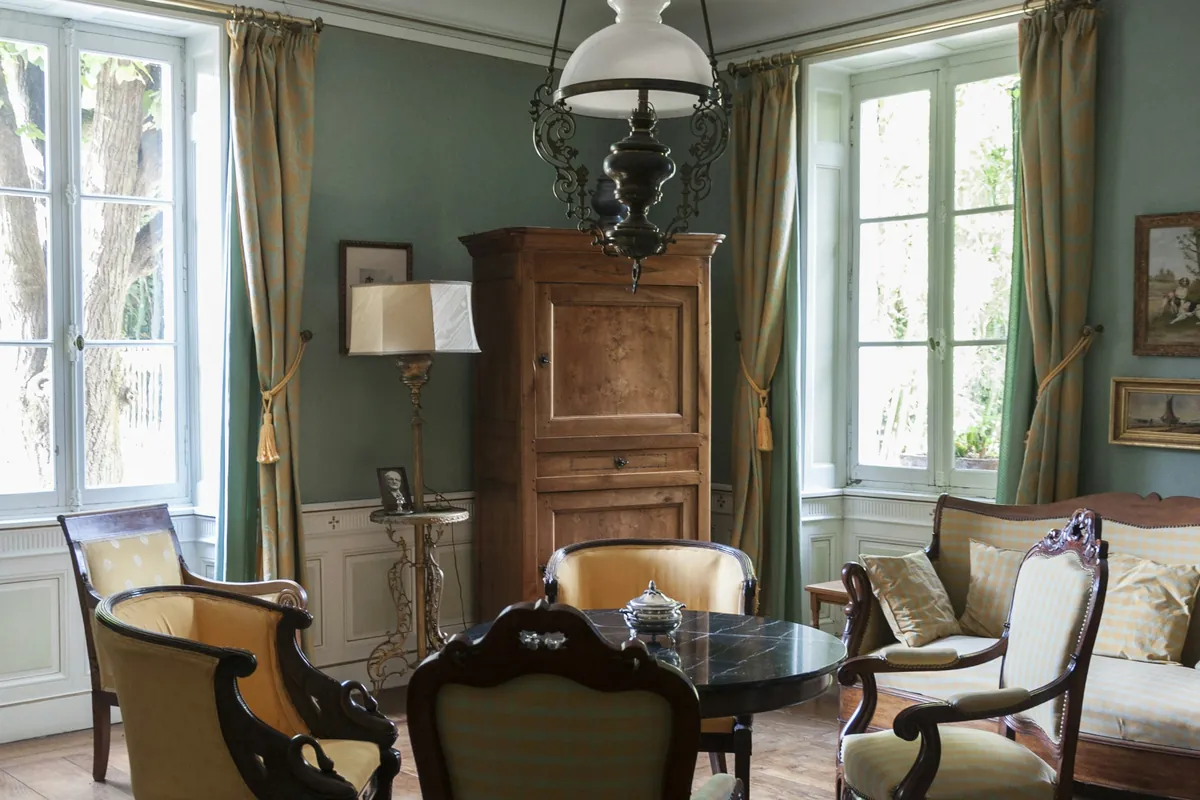
Forget the perfect moldings and impossible ceilings. The real charm of a Paris apartment lies in the light, the objects that stay, and the beautiful evidence of everyday life. Here's how to bring that feeling home, wherever home happens to be.
08:17
It's 8:17 on a Saturday morning.
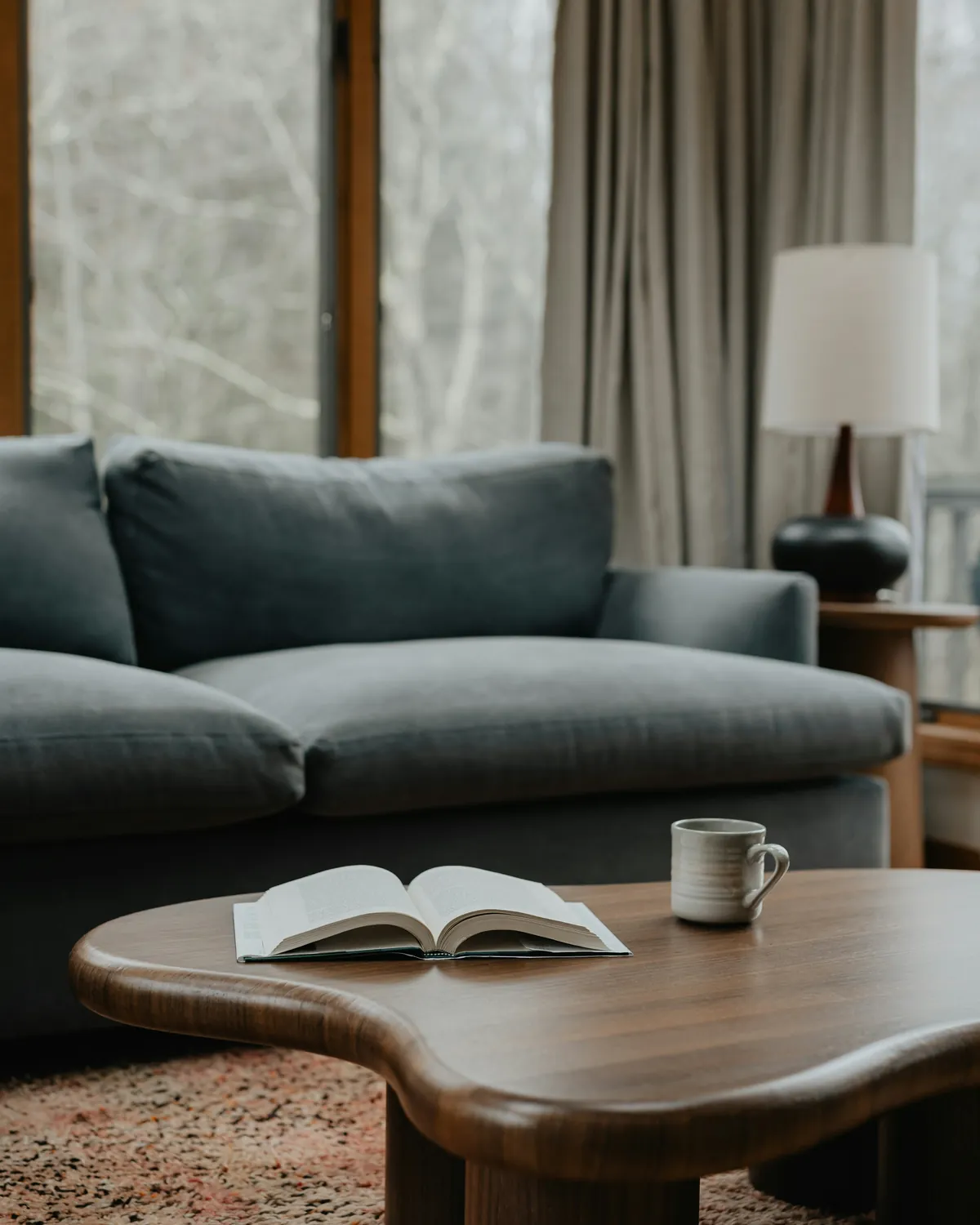
A window is cracked open. Somewhere below, a delivery truck rattles over the street. Coffee is cooling on a small table beside yesterday's book. A wool sweater hangs over the back of a chair, and the flowers in the vase are beginning to bend toward the light.
Nothing has been arranged for a photograph.
And yet, this is the sort of room we remember.
We tend to imagine the quintessential Paris apartment as a collection of architectural treasures: high ceilings, intricate moldings, old wooden floors, a marble fireplace, perhaps an oversized mirror. They are beautiful, certainly. But they don't fully explain why these interiors can feel so personal.
What stays with us is the impression that a life has unfolded there.
The good news? That feeling doesn't require a Paris address.
Son las ocho y diecisiete de un sábado.
La ventana está entreabierta. Desde la calle llega el ruido de un camión de reparto. Hay café en una taza que alguien dejó junto a un libro. Un suéter descansa sobre el respaldo de una silla y las flores del florero empiezan a inclinarse hacia la luz.
Nadie preparó la escena para una foto.
Sin embargo, es una de esas imágenes que nos gustaría guardar.
Cuando pensamos en un departamento parisino, imaginamos techos altos, molduras delicadas, pisos de madera, chimeneas de mármol y algún espejo antiguo que parece haber estado ahí desde siempre.
Todo eso es precioso. Pero no alcanza para explicar por qué esas casas nos emocionan tanto.
Quizás lo que realmente nos atrae sea la sensación de que alguien vive ahí. Que los objetos llegaron en distintos momentos, que nada tiene demasiada urgencia por combinar y que la casa puede ser linda incluso cuando no está impecable.
Y lo mejor es que esa manera de vivir no necesita una dirección en París.
01
The architecture is the beginning, not the story
Walk through the doorway of a grand nineteenth-century Paris apartment and the building may do much of the decorating for you.
Tall windows establish a rhythm. Decorative plasterwork frames the walls. Wooden parquet draws patterns across the floor. A fireplace, whether still in use or not, gives the room a center.
Many of these recognizable features are associated with Haussmann-era architecture, part of the transformation of Paris during the nineteenth century. These apartments also reflect the social hierarchy of their time. They are one chapter of the city's housing history, not a description of every Parisian home.
And this is where the distinction matters.
You can admire the architecture without trying to reproduce it.
A home doesn't become more interesting because it looks older or more expensive. It becomes interesting when its existing qualities are noticed, respected, and given room to speak.
The first lesson isn't to add detail. It's to recognize what's already there.
La arquitectura cuenta una historia, pero no toda
Entrar a un gran departamento parisino del siglo XIX puede ser una experiencia en sí misma.
Las ventanas marcan el ritmo de las paredes. Las molduras acompañan las puertas. Los dibujos del parquet atraviesan el ambiente y una chimenea, aunque ya no se use, organiza la mirada.
Buena parte de esta imagen está asociada a la arquitectura haussmanniana, vinculada con la transformación urbana de París durante el siglo XIX. También representa una historia de diferencias sociales: aquellos grandes departamentos no eran las viviendas de todos los parisinos.
Vale la pena recordarlo cuando vemos esas fotos perfectas.
No estamos mirando una fórmula universal para vivir en París. Estamos mirando una parte de su patrimonio arquitectónico.
Y no hace falta reproducirla para aprender algo.
Porque la primera enseñanza no es agregar molduras donde no las hay.
Es mirar la casa que tenemos y descubrir qué merece protagonismo.
02
Morning
Follow the light before you move the furniture
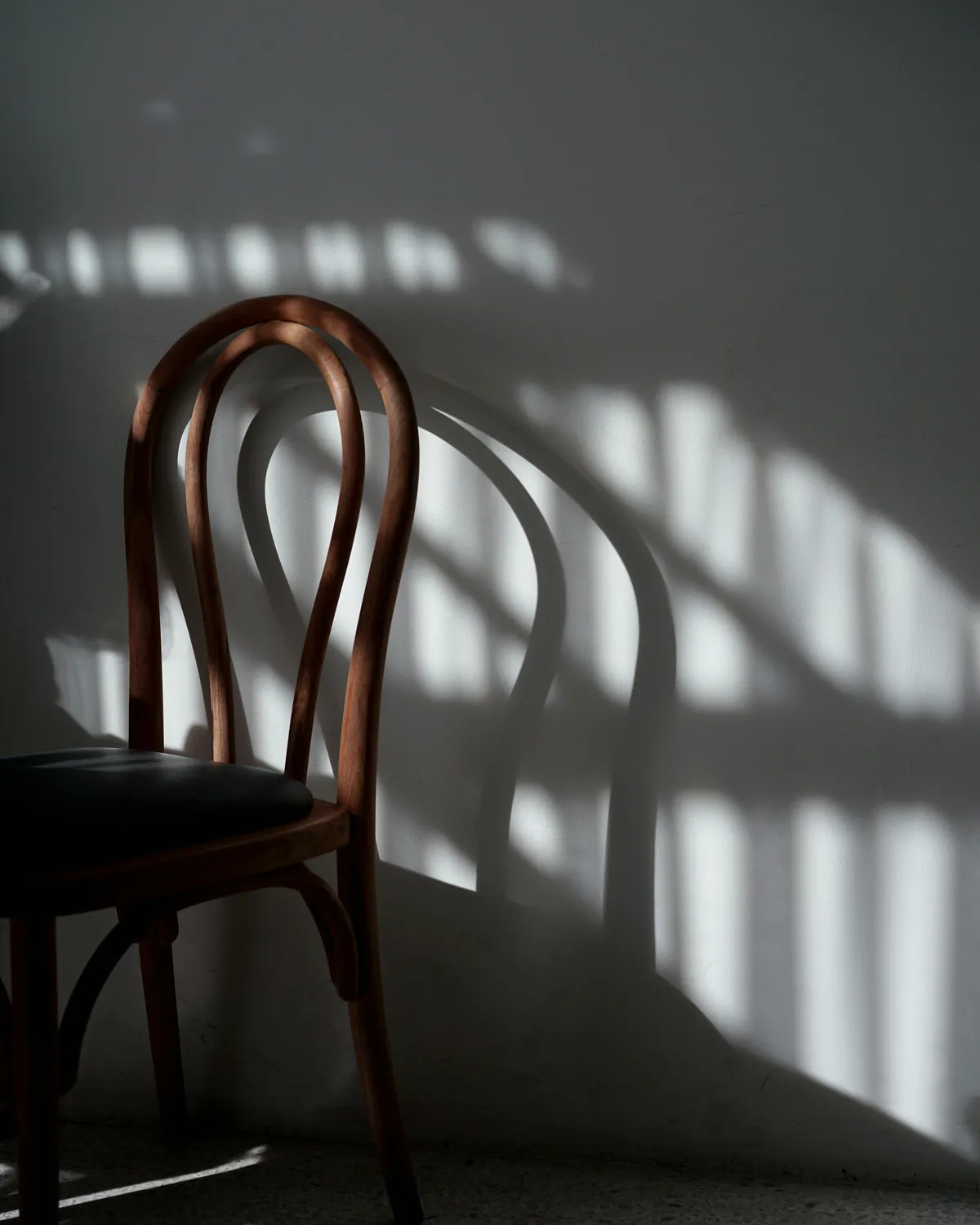
In our imaginary apartment, morning has reached the living room.
Sunlight crosses the floor, touches a chair, and lands on the corner of a table.
This is perhaps the simplest thing to borrow from the Parisian rooms we admire: treating daylight as part of the composition.
Before changing anything, watch where the light goes.
Is the window hidden behind a bulky piece of furniture? Could a favorite chair move closer to it? Is there a shelf collecting objects that blocks the clearest part of the view?
You don't need enormous French windows. You need to make the most of the ones you have.
Try opening the curtains completely for a day. Move one object away from the window. Notice which materials look beautiful in daylight, and which corners feel better with a lamp after sunset.
A room changes throughout the day. Good interiors leave space for that change.
Primero, la luz
A media mañana, la luz se mueve por el living.
Atraviesa una ventana, cae sobre una mesa y encuentra el borde de una silla. Durante unos minutos, ese rincón que parecía común se vuelve especial.
Hay algo muy interesante en los interiores parisinos que admiramos: la luz no parece un agregado de último momento. Participa del espacio.
Probá observar tu casa durante un día.
¿Hay un mueble demasiado grande tapando parte de la ventana? ¿Una cortina que nunca se abre del todo? ¿Un rincón que recibe una luz hermosa, pero que nadie usa?
A veces alcanza con correr una silla, despejar el vidrio o cambiar de lugar una planta.
No necesitás ventanales de película.
Necesitás darle una oportunidad a la luz que ya entra.
Y cuando cae la tarde, también podés descubrir qué rincón pide una lámpara en lugar de una luz general que ilumine todo por igual.
03
Height is a feeling, too
Now look up.
The tall ceilings of historic Parisian apartments are undeniably lovely, but their deeper lesson is about proportion.
Your eye should have somewhere to travel.
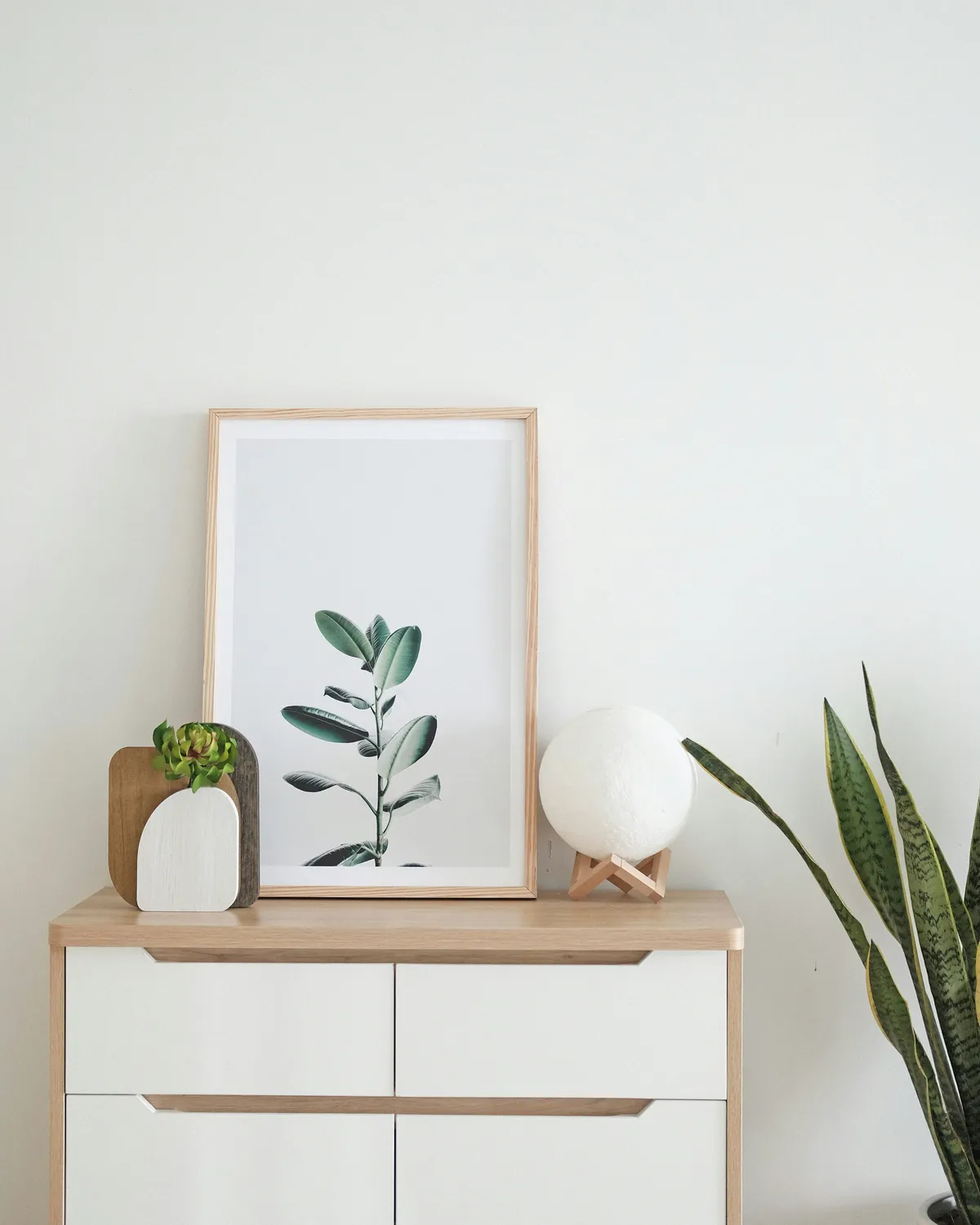
In a modest room, this might mean placing one taller object beside a low cabinet, leaning an elongated picture against a wall, or allowing a plant to introduce an unexpected vertical line.
You don't need to manufacture architectural grandeur.
In fact, a room full of objects at the same height can feel flatter than one with a few quiet contrasts.
Think of it as visual rhythm: something low, something tall, and a little emptiness between them.
A small room can be generous without pretending to be large.
Los techos altos no son la única forma de crear amplitud
Ahora levantá la mirada.
Los techos altos tienen una presencia difícil de ignorar. Pero hay una idea que se puede trasladar incluso a un ambiente pequeño: jugar con las proporciones.
Si todo termina a la misma altura, la habitación puede sentirse demasiado uniforme.
En cambio, una biblioteca baja con un cuadro apoyado encima, una rama alta dentro de un florero o una lámpara que dibuja una línea vertical pueden introducir otro ritmo.
La clave está en no llenar cada centímetro disponible.
Un objeto alto necesita algo de aire alrededor. Uno pequeño puede ganar protagonismo cuando no compite con otros diez.
La amplitud no siempre se mide en metros cuadrados.
A veces se percibe en la forma en que dejamos descansar la mirada.
04
The floor has a memory
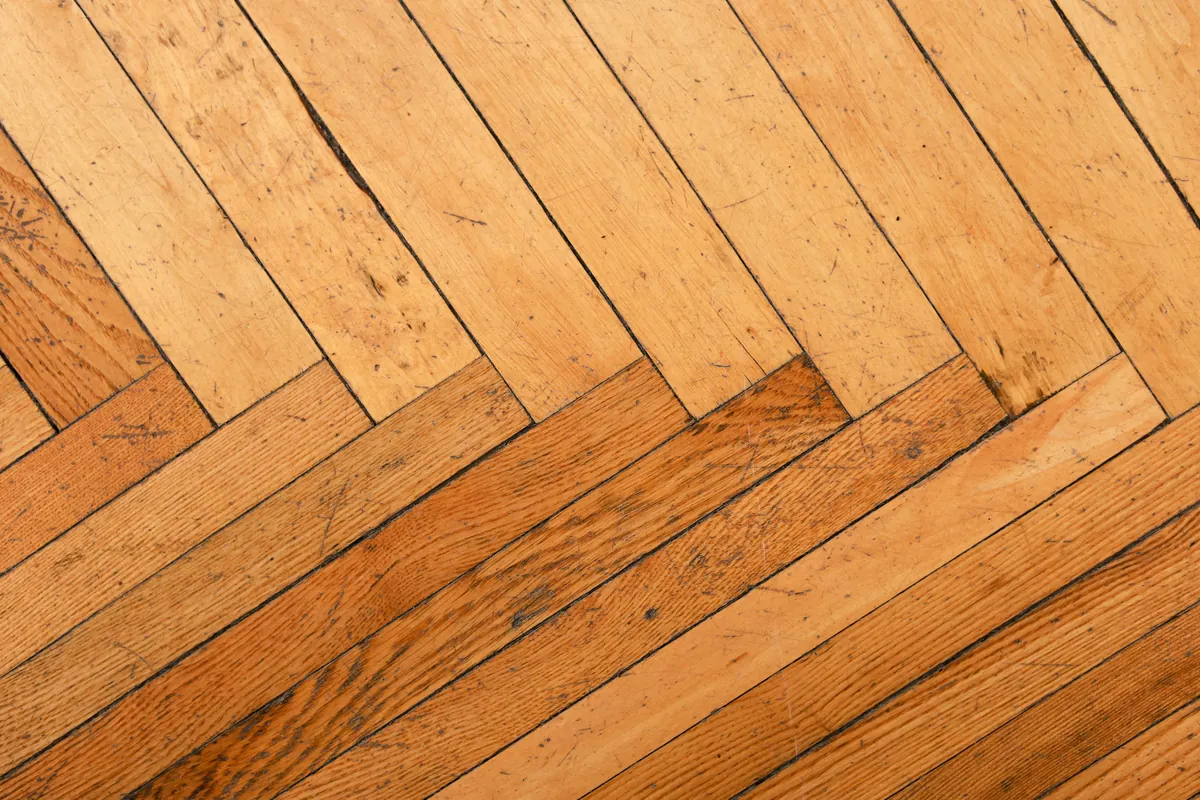
Underfoot, the old parquet is often the element that steals the photograph.
Some historic interiors feature chevron floors, known in France as point de Hongrie, where the boards meet in continuous angled points. Others have herringbone patterns, with staggered rectangular pieces.
Their appeal isn't simply decorative. Wood introduces grain, variation, and a sense of time.
But replacing your floor to achieve a Parisian feeling would miss the point of this story.
Instead, consider what already gives your room texture.
A worn wooden chair. A woven basket. A linen tablecloth that never lies perfectly flat. A rug with a little history.
These are not substitutes for expensive flooring. They are different ways of letting materials contribute warmth and individuality.
And unlike a photograph, your home can be touched.
El piso también tiene memoria
Los pisos de madera son protagonistas silenciosos de muchos departamentos históricos parisinos.
Algunos presentan el dibujo continuo en V conocido como point de Hongrie o chevron. Otros tienen el entramado escalonado del parquet en espiga.
Son superficies llenas de textura, ritmo y pequeñas variaciones.
Pero cambiar el piso de tu casa para conseguir ese efecto sería confundir la inspiración con la imitación.
Lo interesante no es copiar exactamente el dibujo de la madera.
Es preguntarte qué materiales aportan una sensación parecida de calidez y permanencia.
Quizás sea una silla antigua que conservaste después de una mudanza. Una alfombra que te acompaña desde hace años. Una mesa con marcas de uso. O ese mantel de lino que nunca queda perfectamente planchado.
Las texturas hacen que una casa no solo se mire: también se sienta.
Y no todo lo que tiene historia tiene que ser antiguo o costoso.
05
Midday
Let the objects tell the truth
By lunchtime, our imaginary apartment has become a little busier.
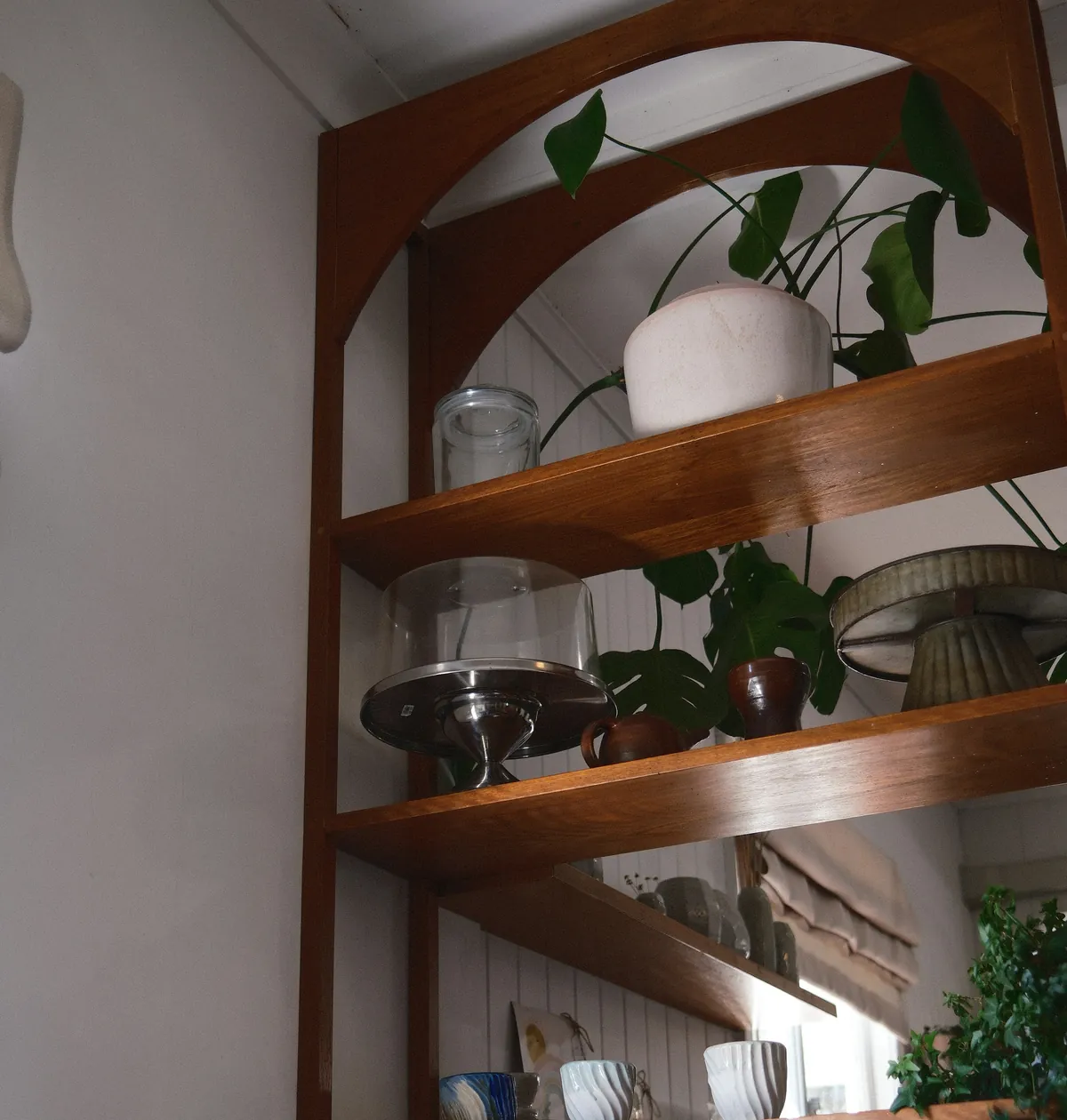
Keys have landed in a bowl. A book has been left open. A ceramic dish sits beside a framed photograph, and there's a small object on the shelf that seems entirely out of place.
Until you learn where it came from.
Maybe it belonged to a grandparent. Maybe it was picked up on an unremarkable weekend. Maybe someone made it by hand.
A room filled entirely with things chosen to match can look polished. But a room with a few objects that mean something has another kind of depth.
This is the difference between styling a shelf and living with one.
Start with something you already own and genuinely love. Place it where you can see it, rather than saving it for a hypothetical better room.
Then give it company: a book, a simple vessel, something useful.
Not everything needs a fascinating origin story. Sometimes the most meaningful object is the one you use every morning.
A beautiful home doesn't need to look finished. It needs to feel like it belongs to someone.
Want to go further? Read the art of collecting meaningful objects.
Los objetos que se quedan
Al mediodía, el departamento ya cambió.
Hay unas llaves dentro de un cuenco. Alguien dejó un libro abierto. Sobre una repisa conviven una fotografía, una cerámica y una pequeña pieza que parece no tener nada que ver con el resto.
Hasta que alguien cuenta de dónde vino.
Puede ser un recuerdo familiar. Algo comprado durante un viaje. Un objeto hecho a mano. O simplemente una cosa que te gusta y nunca encontraste motivo para guardar.
Ahí aparece una diferencia importante.
Una casa decorada para combinar puede ser muy linda. Pero una casa donde los objetos tienen sentido para quien vive ahí transmite algo más.
Por eso, antes de buscar algo nuevo, recorré tus estantes.
Elegí una pieza que te importe. Una que conservarías aunque cambiara por completo tu estilo de decoración.
Sacala del rincón donde pasa inadvertida y dale un lugar donde puedas verla todos los días.
Después, acompañala con algo sencillo: un libro, una bandeja, una pieza de otra textura.
No hace falta que cada cosa tenga una historia extraordinaria.
A veces, la taza que elegís todas las mañanas tiene más personalidad que cualquier objeto decorativo.
Una casa linda no necesita parecer terminada. Necesita sentirse propia.
¿Querés seguir? Leé el arte de coleccionar objetos con historia.
06
The myth of effortless disorder
Let's address that famously appealing Parisian nonchalance.
A stylish apartment is charming because it's a little messy.
What often feels charming in a photograph is the presence of life, not the absence of care.
A coat on a chair can be lovely. So can a stack of books beside the sofa.
But a crowded work surface that makes preparing dinner difficult is not necessarily romantic. Neither is a hallway where there's nowhere to put your bag.
The trick is to distinguish between the traces of living and the clutter that interrupts living.
Keep the objects that invite a story. Clear the surfaces that need to function.
A good room has room for both personality and an actual Tuesday.
El mito del desorden elegante
Hay una expresión que aparece cada vez que hablamos de interiores parisinos: ese supuesto desorden que, por alguna razón, siempre resulta encantador.
Pero conviene separar dos ideas.
Para conseguir una casa con personalidad, hay que dejar todo un poco desordenado.
Lo que nos atrae suele ser la presencia de la vida cotidiana, no la acumulación de cosas.
Un libro sobre el sofá puede dar ganas de sentarse a leer.
Una pila de papeles que impide usar la mesa, no tanto.
Un abrigo sobre una silla puede resultar natural. Cinco abrigos que impiden sentarse terminan siendo otra cosa.
La diferencia está en que el espacio siga funcionando.
Dejá a la vista lo que te gusta, lo que usás y lo que tiene sentido.
Pero liberá las superficies que necesitás para trabajar, cocinar, descansar o recibir a alguien.
La elegancia no debería convertirse en una dificultad para vivir.
07
Afternoon
Old and new make better conversation
In the afternoon, a visitor arrives.
They sit in a contemporary chair beside an old wooden table. On the wall is a simple drawing in a frame that has seen better days. Above it, a clean-lined lamp provides just enough light.
No one stops to question whether the pieces belong to the same decade.
They belong to the same person.
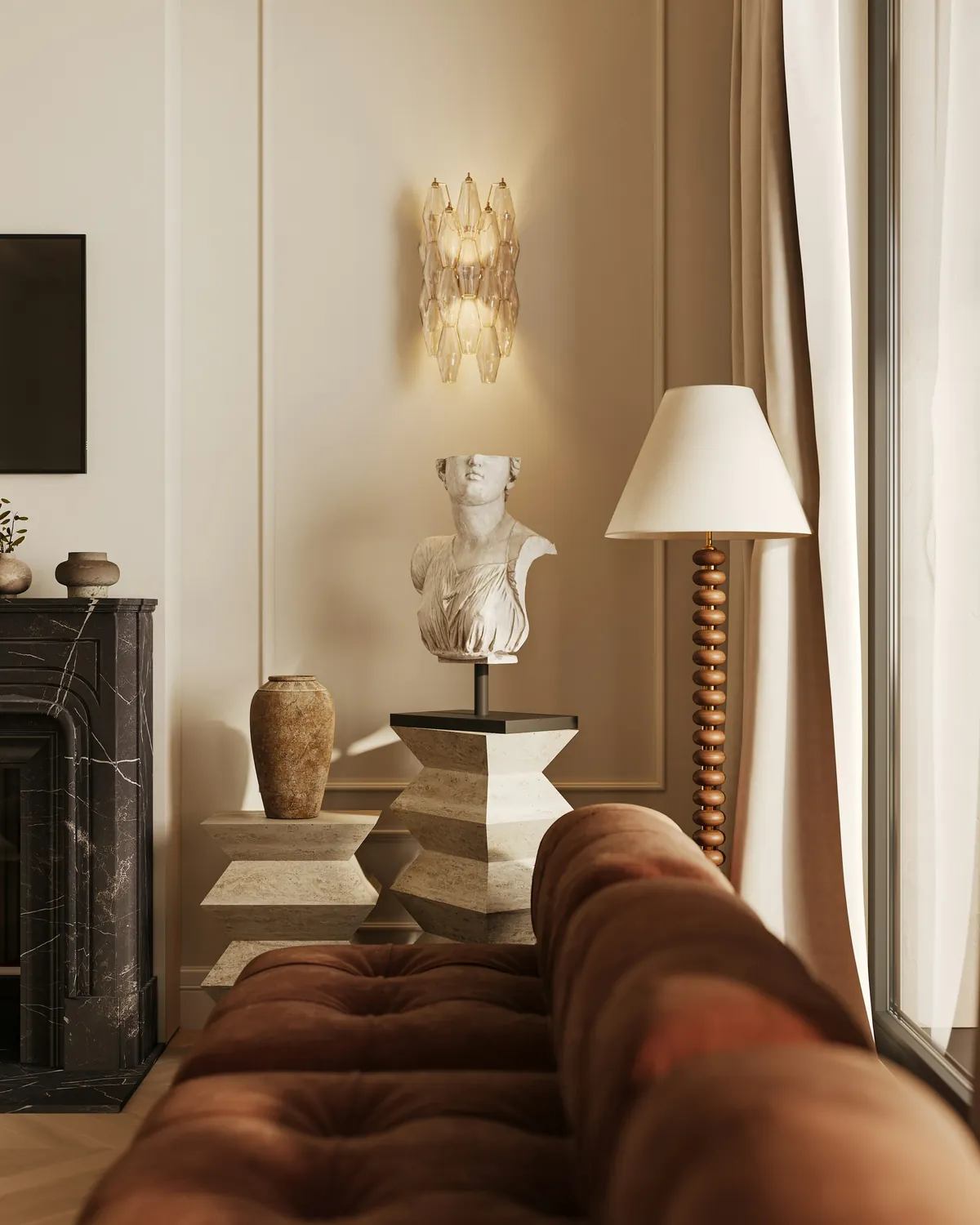
This is one of the most useful ideas to take from the eclectic interiors we associate with Paris: harmony doesn't require uniformity.
Try placing something with age beside something plain and contemporary.
A traditional frame near a minimalist print. An old bowl on a simple desk. A textured throw over a crisp-lined sofa.
The aim isn't contrast for its own sake.
It's a room that has been assembled over time instead of purchased all at once.
Lo viejo y lo nuevo pueden llevarse muy bien
A la tarde llega una visita.
Se sienta en una silla contemporánea, junto a una mesa de madera que tiene muchos años. En la pared hay un dibujo sencillo dentro de un marco antiguo. Cerca, una lámpara de líneas limpias completa el rincón.
Nadie pregunta por qué las piezas son de épocas diferentes.
Conviven porque pertenecen a la misma casa.
Ese encuentro es una de las cosas más interesantes que podemos tomar de los interiores parisinos que admiramos.
No todo tiene que formar parte de un mismo juego.
Probá apoyar un objeto antiguo sobre un mueble contemporáneo. O colocar una fotografía actual dentro de un marco que ya tenías.
También puede funcionar a la inversa: una pieza de diseño muy simple puede hacer que un mueble heredado se vea distinto.
Lo importante es que el contraste no parezca una obligación estética.
Tiene que sentirse natural para vos.
08
Three mistakes that turn inspiration into imitation
There are a few tempting shortcuts worth avoiding.
- 01Buying the symbols. A gilded mirror, decorative molding, and a vintage-style chair won't automatically give a room character. A collection of recognizable features can feel surprisingly anonymous.
- 02Confusing unfinished with effortless. Elegant informality still needs functional spaces, comfortable seating, and somewhere to put everyday things.
- 03Erasing your own location. The light, climate, habits, and architecture of your city matter. A home in Miami, Buenos Aires, or London shouldn't have to deny its surroundings to borrow something beautiful from Paris.
The goal isn't to construct a convincing imitation.
It's to notice why an interior moves you, then translate that quality into your own language.
Tres errores que conviene evitar
Hay una diferencia entre inspirarse y terminar haciendo una escenografía.
- 01Comprar los símbolos. Un espejo dorado, una silla con aire antiguo y algunas molduras decorativas no garantizan personalidad. Podés terminar con un ambiente que recuerda a muchas fotos, pero no cuenta nada sobre vos.
- 02Confundir informalidad con descuido. Un espacio puede ser relajado y, al mismo tiempo, cómodo, práctico y fácil de mantener.
- 03Olvidarte de dónde vivís. La luz de Buenos Aires, la humedad de Miami o el clima de Londres también forman parte de una casa. No hace falta ignorarlos para incorporar una idea que nació en París.
La propuesta no es vivir como imaginamos que vive otra persona.
Es entender qué nos emociona de un espacio y encontrar nuestra propia versión.
09
Tonight
Try it tonight: the 20-minute Parisian edit
You don't need a shopping cart. You need a fresh look at one corner of your home.
Now step away.
When you return, ask yourself a better question than "Does this look Parisian?"
Ask: "Does this feel more like me?"
For more ideas, here are small ways to refresh your home without renovating.
Probalo esta noche: veinte minutos, sin comprar nada
Podés empezar con un solo rincón.
No hace falta reorganizar toda la casa ni sumar un objeto nuevo.
Después, andate un rato.
Cuando vuelvas, no te preguntes si el rincón parece parisino.
Preguntate si ahora se parece un poco más a vos.
Para seguir, acá tenés más ideas para actualizar tu casa sin hacer obra.
10
Evening
When evening arrives
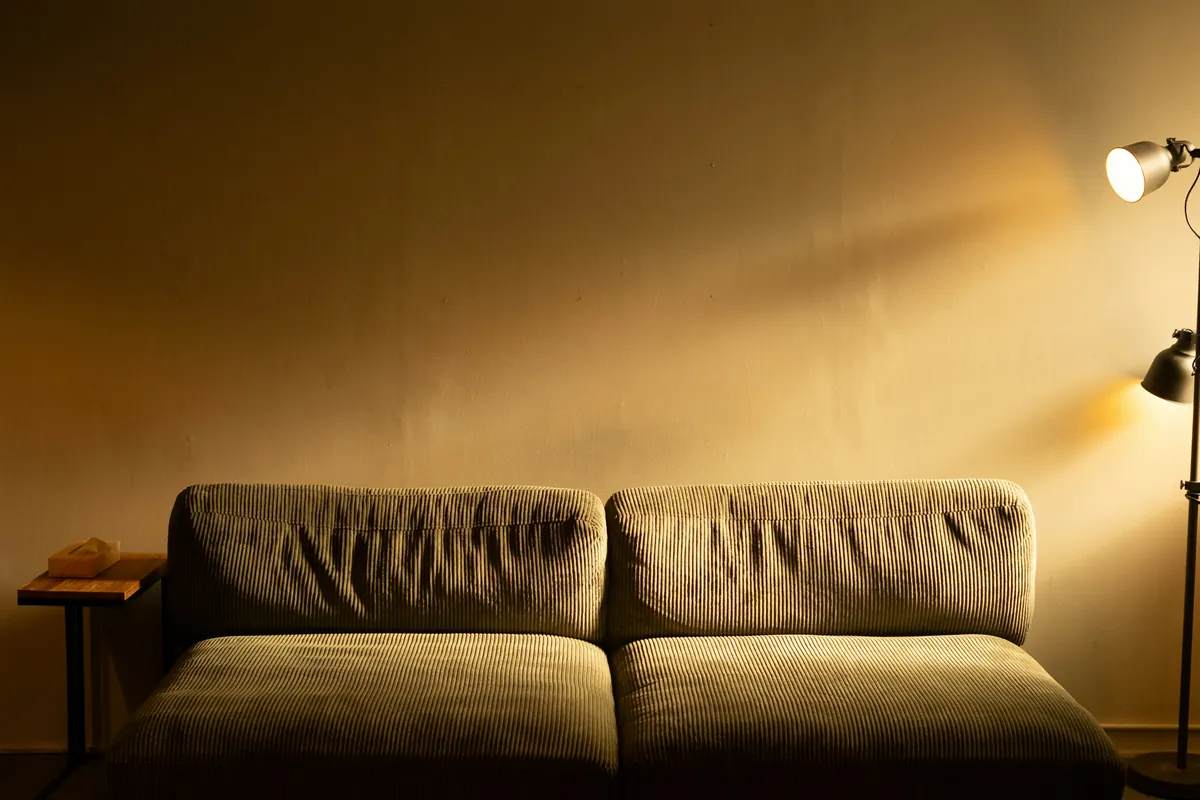
The light has changed again.
The chair that looked beautiful in the morning is now in shadow. There's a glass on the table. Dinner has ended, but the conversation hasn't. Somewhere, a lamp has been switched on.
The room has not become less beautiful because people used it.
It has become more itself.
Perhaps that is what we are really looking for when we save another photograph of a Paris apartment. Not the ceiling height or the perfect parquet, but the possibility of a home that allows beauty and ordinary life to coexist.
A place that makes room for a good book, a tired evening, a visitor who stays too long, and the things we have carried with us.
You can live that way anywhere.
Even without the moldings.
Cuando cae la noche
La luz vuelve a cambiar.
La silla que a la mañana estaba iluminada ahora queda en penumbras. Hay un vaso sobre la mesa. La cena terminó, pero la conversación sigue. Alguien enciende una lámpara y el ambiente se vuelve más íntimo.
La casa no perdió belleza porque alguien la usó.
Al contrario.
Tal vez eso sea lo que buscamos cuando guardamos una fotografía más de un departamento parisino.
No necesariamente los techos altos, el piso perfecto o las molduras de otra época.
Quizás buscamos la posibilidad de vivir en una casa donde las cosas que nos gustan tengan lugar, donde los recuerdos convivan con lo nuevo y donde no haga falta esconder cada señal de la vida cotidiana.
Una casa que pueda recibir amigos, acompañar una tarde difícil o convertirse en nuestro lugar favorito para leer.
Eso no depende de una ciudad.
Y mucho menos de tener una chimenea de mármol.
Sources & notes
- Haussmann-era buildings and their apartments: Ville de Paris.
- Chevron (point de Hongrie) vs. herringbone: in chevron the boards meet in a continuous V; in herringbone, rectangular ends create a staggered zigzag.
- The scenes in this story are original literary constructions.
- Photos (Unsplash License): Eder Pozo Pérez, Soop Kim, Minh Pham, Alex Cooper, Grace Anne Bobadilla, Clay Banks, Maverick Frame, Josh Sorenson.