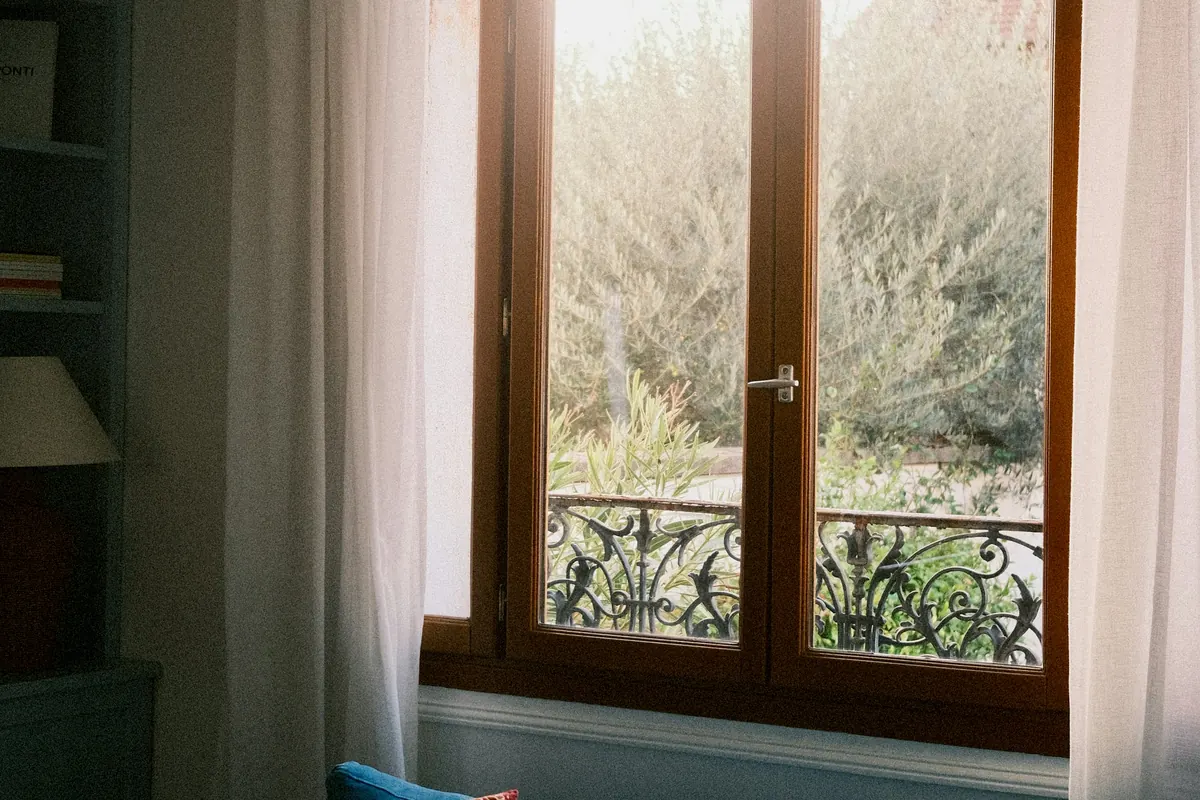
At 6:18 a.m., the apartment is still mostly asleep.
A pale line of daylight slips between the curtains. The floor is cool under bare feet. Somewhere in the kitchen, a kettle begins to hum.
You haven't switched on a single light, yet the house is already changing.
By lunchtime, the same walls will look brighter. In the late afternoon, the furniture will cast longer shadows. After dinner, a small lamp will make a familiar corner feel almost like another room.
We often decorate as though our homes were still photographs. But a house is never still.
Light moves through it, softens it, reveals things we'd forgotten, and occasionally exposes the dust we were hoping to ignore.
So, before buying a new lamp or replacing a ceiling fixture, let's spend one imaginary day paying attention. The hours are illustrative: daylight follows different schedules depending on the season, the weather, and where you live.
The point is not to follow a clock. It's to notice what happens between one kind of light and another.
06:18The room before the world wakes up
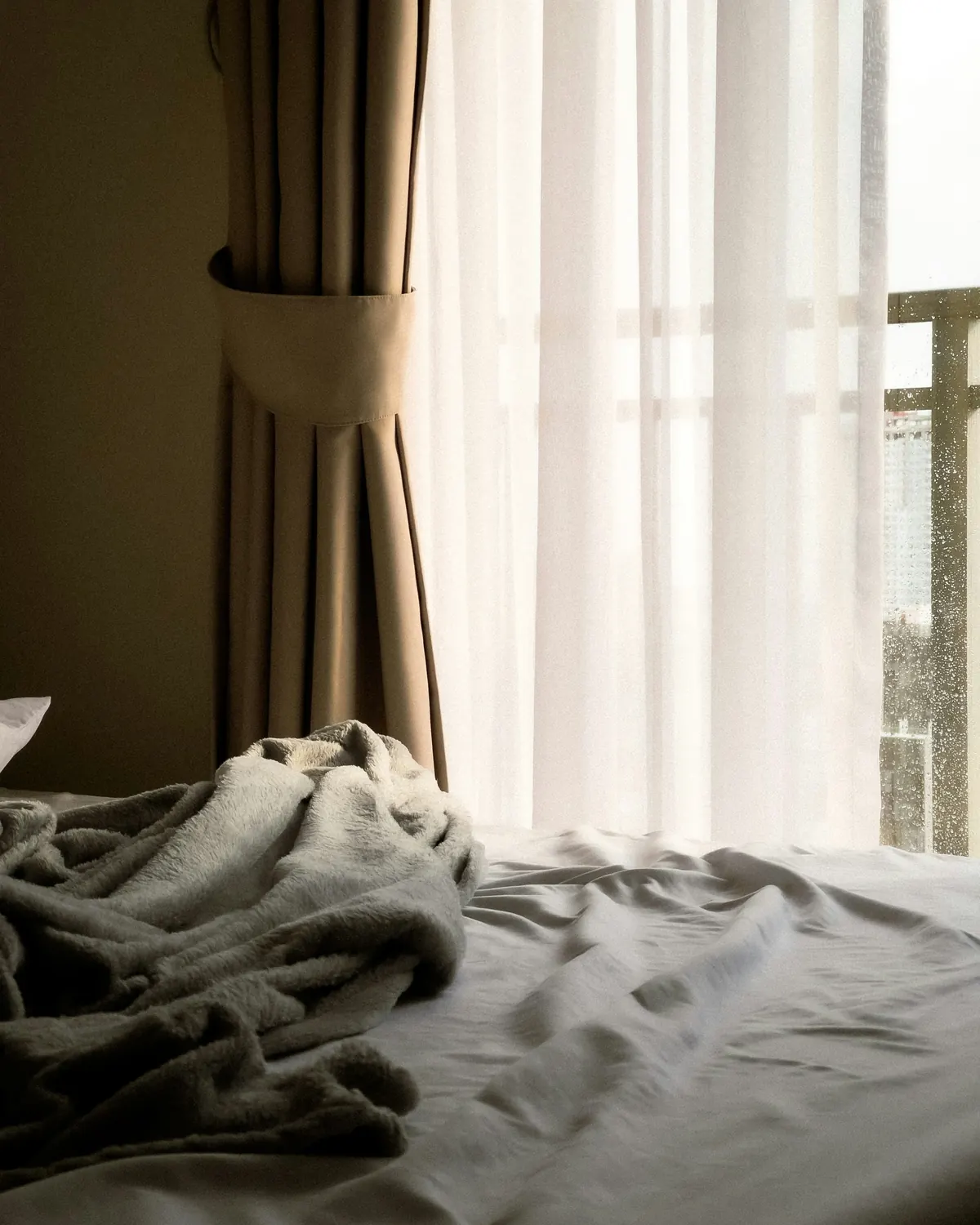
The bedroom begins in shades of gray.
A pillow, a chair, a book on the bedside table. Nothing needs to be dramatically illuminated yet.
There is something lovely about allowing the morning to arrive gradually.
Open the curtains when you're ready. Notice where the first light settles. Does it find the edge of a dresser, a wooden floor, a picture you barely look at anymore?
Perhaps the most interesting thing in the room is already there.
Try noticing: What looks beautiful in the morning without any help from a lamp?
08:10The kitchen needs honesty
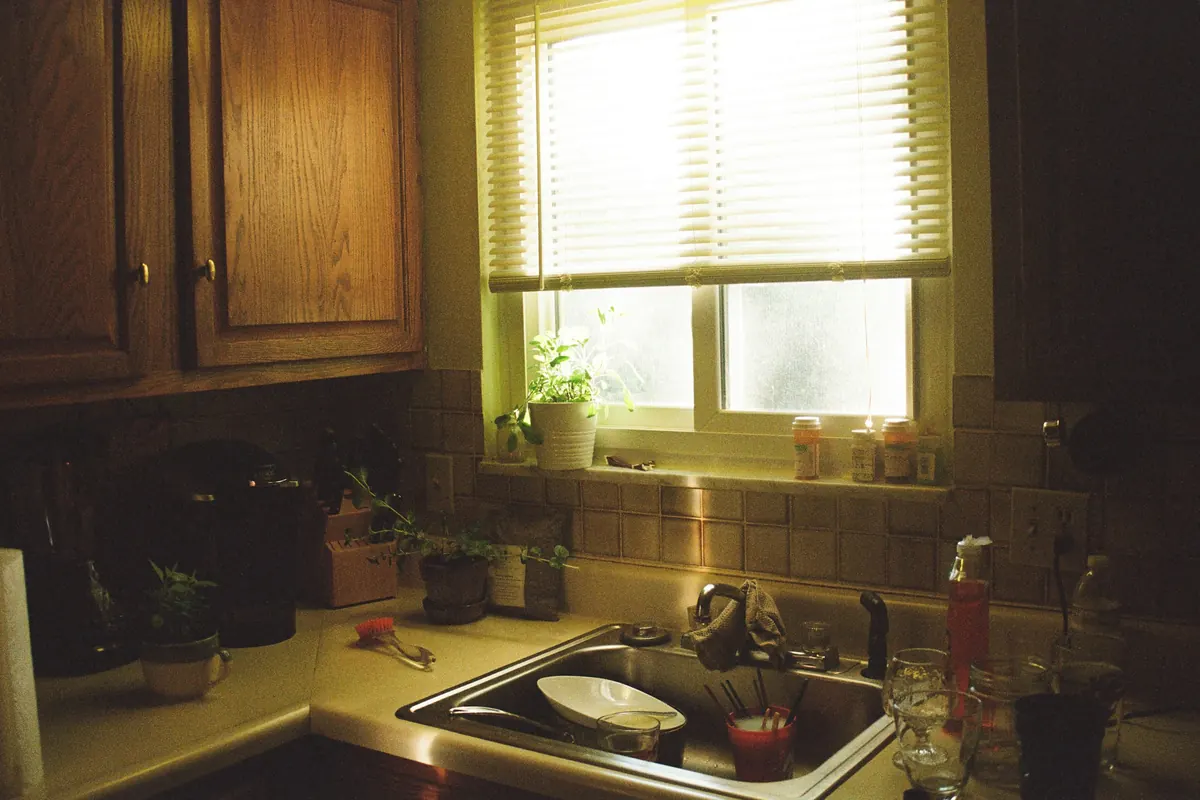
Now the house is awake.
Someone is slicing bread, searching for a clean spoon, or trying to read a recipe before finishing their coffee.
This is not the moment for romantic darkness. A kitchen needs enough light to see what you're doing. The ceiling light may be exactly what the room requires, supplemented by well-placed light over a work surface.
The lesson isn't to abandon overhead lighting. It's to stop asking one light source to do every job.
Practical first. Atmospheric second. And sometimes both at once.
10:45The desk and the window
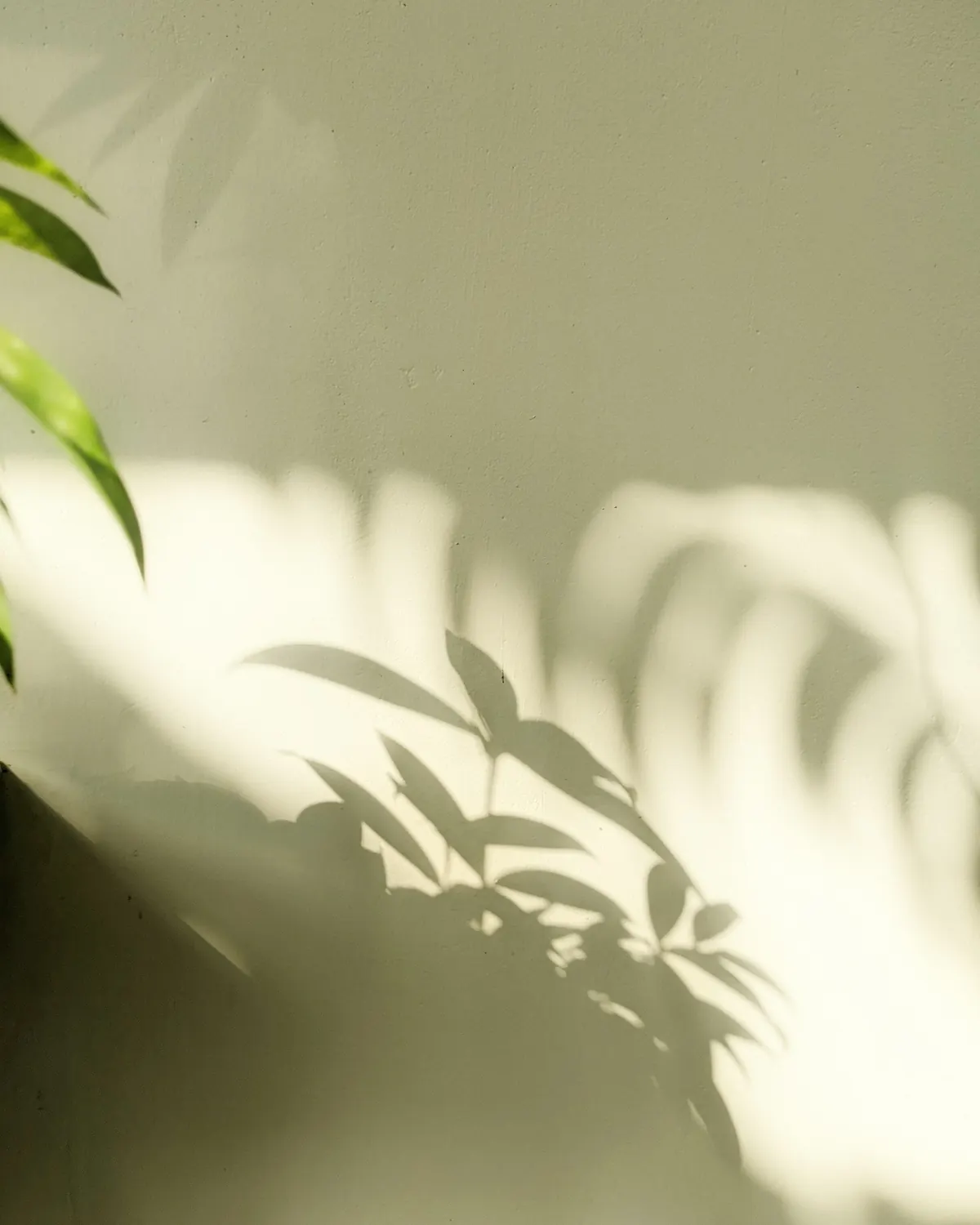
By midmorning, daylight has reached the desk.
A notebook lies open. A glass of water catches the sun. On the wall, the shadow of a plant moves almost imperceptibly.
If you work or read here, pay attention to where the light falls. A beautiful window is less useful when its reflection makes a screen difficult to see.
Try shifting the angle of your chair or desk, if possible. Use a task lamp when you need more focused illumination.
Good lighting should help you get on with your day, not turn every activity into a dramatic portrait.
13:20The beautiful ordinary

At lunchtime, the house may be at its brightest.
Look at the dining table. The grain of the wood becomes more visible. A ceramic bowl reveals subtle variations in its glaze. Even the wrinkles of a linen cloth seem interesting.
Nothing was added. The light simply allowed those details to appear.
This is one reason we love natural materials: their surfaces invite a closer look as the conditions around them change.
Before replacing an object that seems dull, try seeing it at another hour. You may discover that what it needed wasn't a new companion.
It needed a different moment.
16:35The hour between two kinds of light
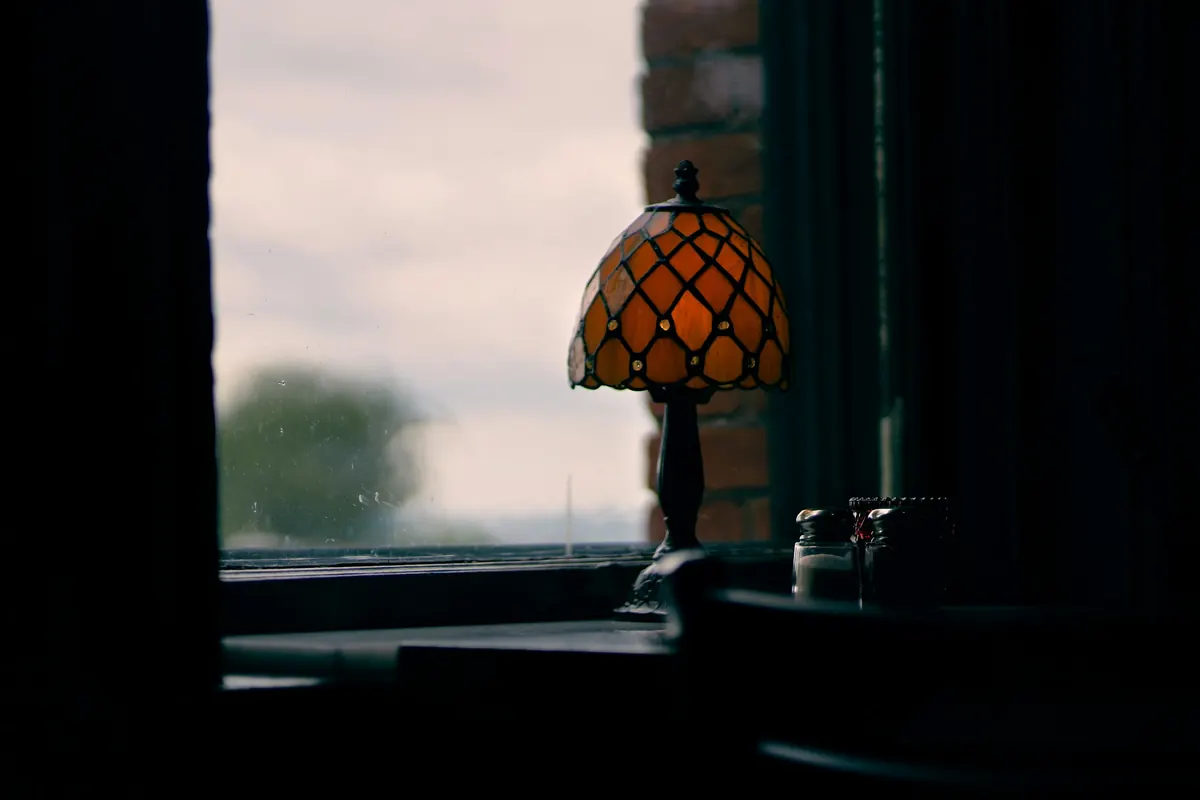
The afternoon begins to fade.
That bright living room from lunchtime now feels less certain. One corner is still illuminated; another has already fallen into shadow.
This is where lamps become interesting. Not because they are decorative objects, although many are, but because they can give a room a new center.
A table lamp beside a chair suggests reading. A floor lamp near a sofa creates a place to gather. A modest light on a console can make an overlooked corner feel intentional.
The trend is about what designers expect to be popular, not a rule for what makes a home comfortable. A beautiful pendant can be a focal point. A humble table lamp can transform how you experience an evening.
They're different jobs.
18:10The great ceiling-light experiment
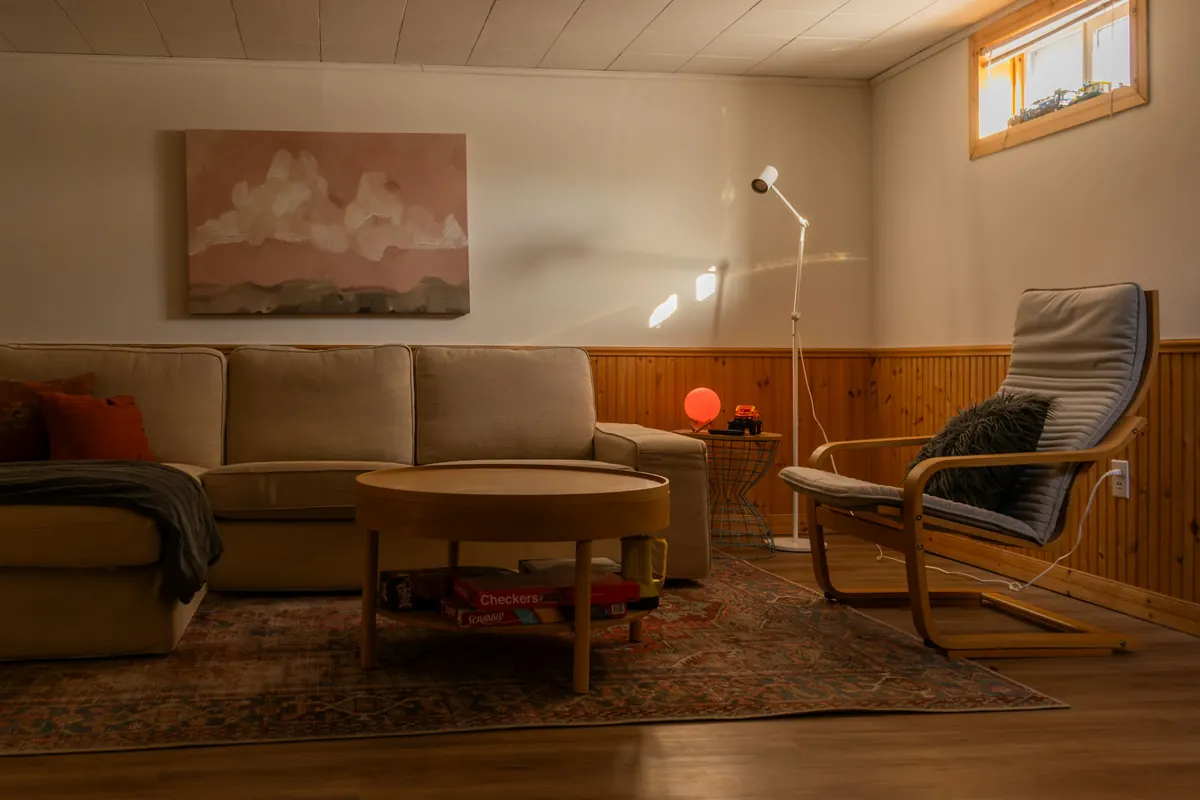
The day has officially become an evening.
A familiar situation unfolds: someone walks into the living room and switches on the overhead light. Everything becomes equally visible: the sofa, the shelves, the pile of mail, the corner that could use a little attention.
There's nothing inherently wrong with this. General lighting is useful for cleaning, finding things, moving around, and countless other activities.
But now try something.
You haven't discovered a universal lighting formula. You've discovered that your room can have more than one personality.
19:30Dinner doesn't need a spotlight
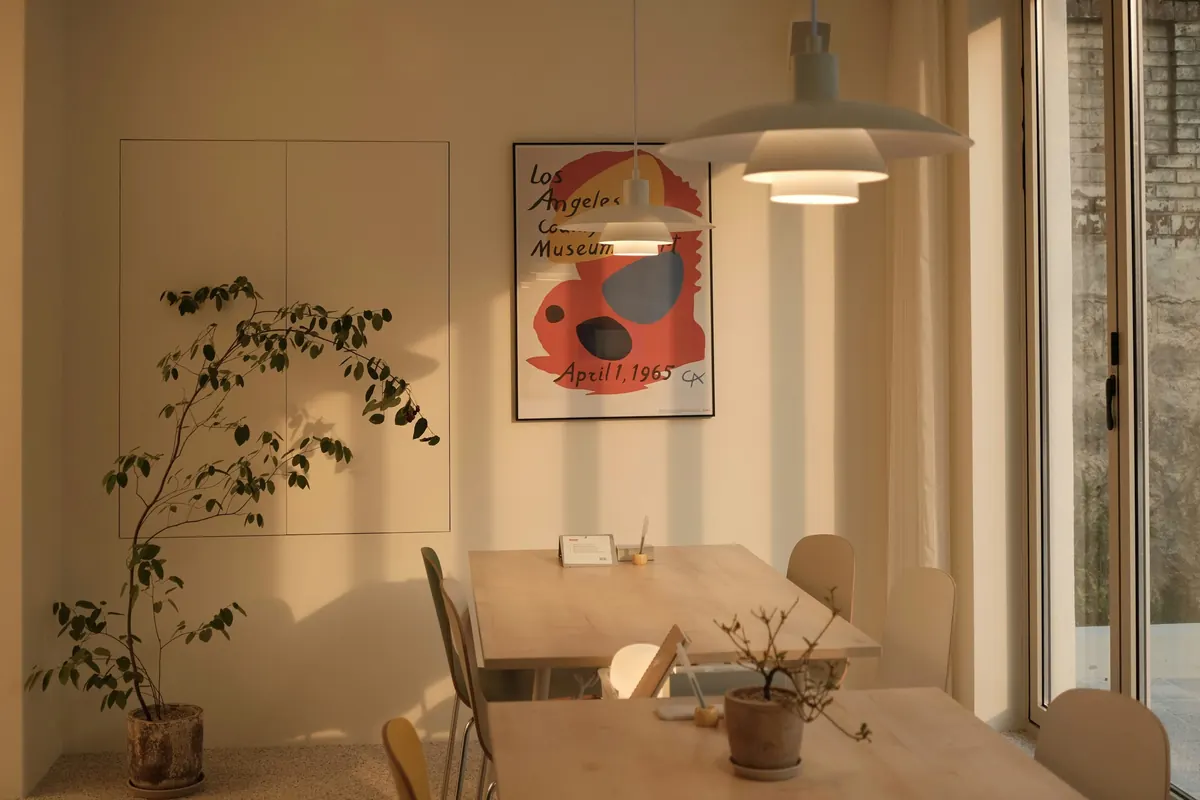
Plates arrive at the table. Someone is still in the kitchen. A conversation continues while another person reaches for the bread.
This is when lighting becomes social. You want to see faces, food, and the people you're sharing the evening with. You also want the space to feel relaxed.
If an existing pendant lights the table well, there's no reason to replace it. If the room feels overly harsh, experiment with nearby lamps or dimming, where the fixture and bulb are compatible.
The goal isn't darkness. It's a balance between visibility and intimacy.
And please, leave enough light to see whether you're reaching for the salt or the sugar.
21:15The small pool of light
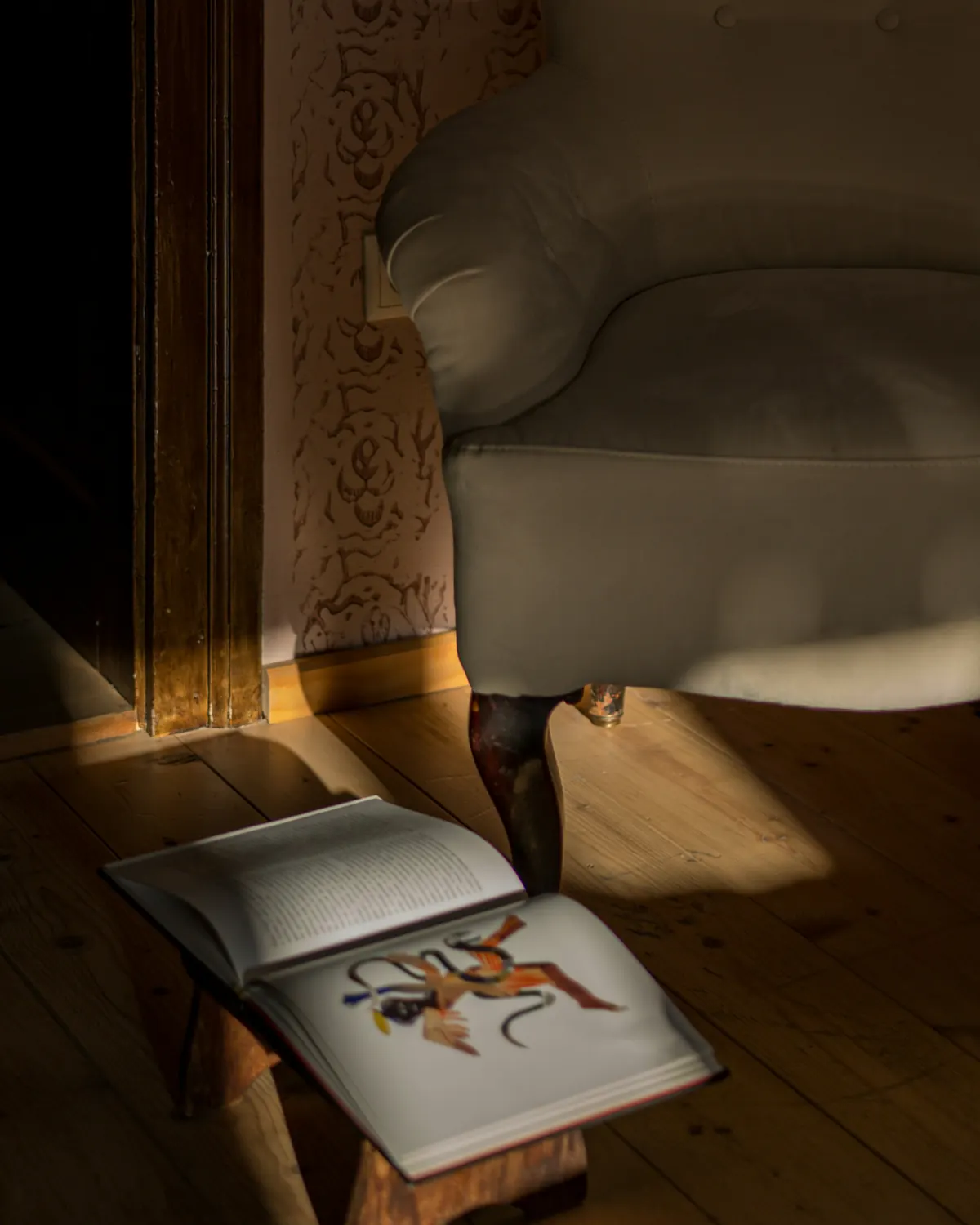
The dishes are finished. The apartment grows quieter.
You settle into a chair with a book. A lamp creates a small illuminated area around the pages, while the rest of the room recedes.
There's a practical design principle behind this moment. Lighting can serve different purposes: general illumination, focused light for a task, and accents that draw attention to particular details.
A reading lamp doesn't have to illuminate the entire room. It does need to help you see comfortably.
Good lighting doesn't make everything visible. It helps us notice what matters in that moment.
You can give an activity the light it needs without treating every corner as equally important.
The five-switch evening edit
- 1Start with everything off.
With enough daylight or ambient light to move safely, observe where the room feels dim.
- 2Turn on the main light.
Notice what it does well. Does it help with circulation, cleaning, or practical tasks?
- 3Add one smaller lamp.
Place it safely near an activity that needs it, such as reading or relaxing.
- 4Change the combination.
Compare the overhead light alone, the smaller lamp alone when safe, and both together.
- 5Choose by activity.
Keep the combination that works for what you're actually doing, not the one that looks most dramatic.
Keep cords out of walking paths, use bulbs suited to each fixture, and never cover a lamp with fabric to soften its glow.
23:05The last light beside the bed
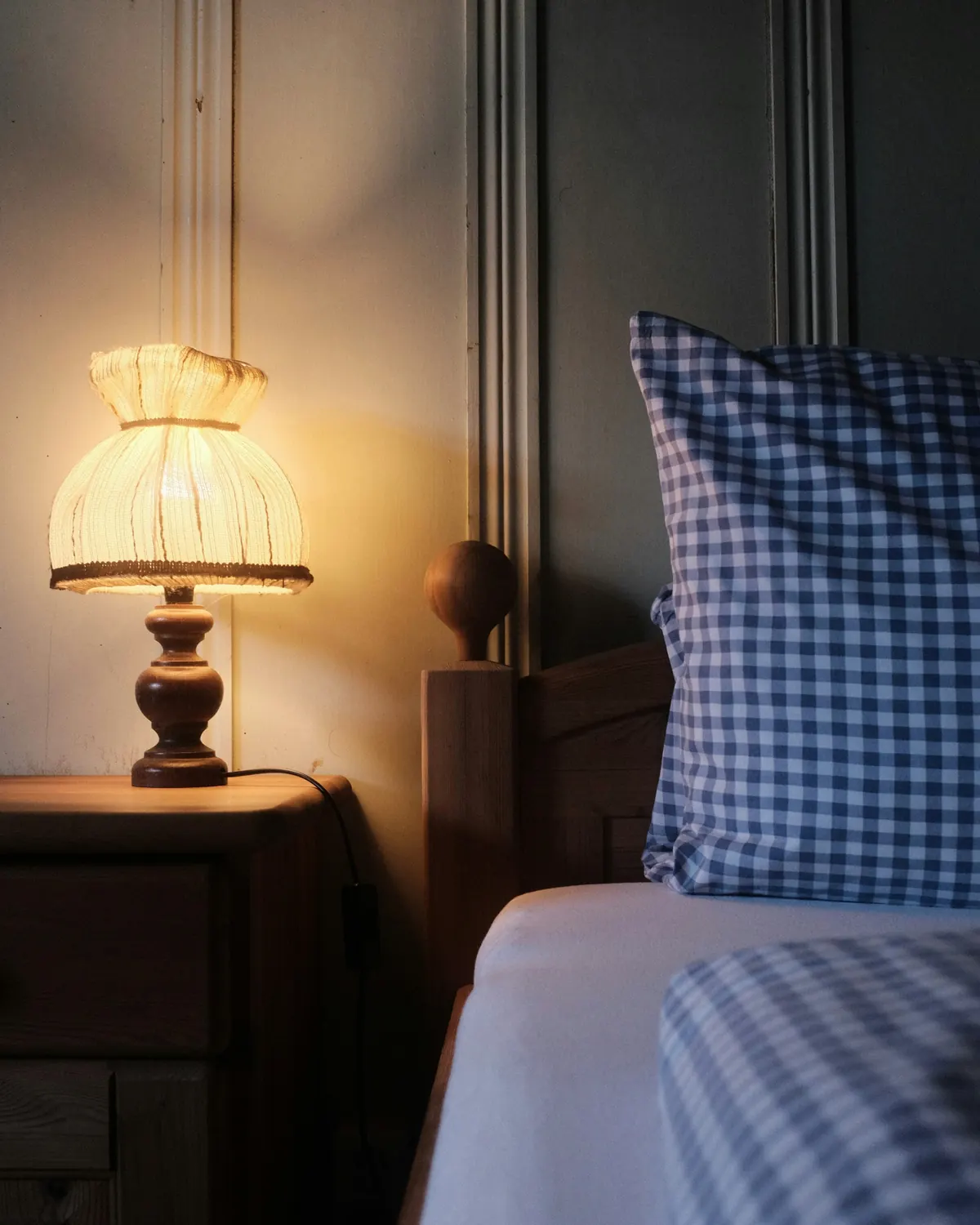
A bedroom at night asks for a different atmosphere.
Perhaps it's a small lamp illuminating a book. Perhaps it's a wall light that lets one person read while the other rests.
What's important is being able to move comfortably and find what you need without flooding the entire room with light. The bedroom doesn't need to look theatrical. It needs to work for the people who sleep there.
Before turning in, notice which lamp you switch off last. That small daily gesture might reveal more about your habits than an entire mood board.
02:14The light you barely notice
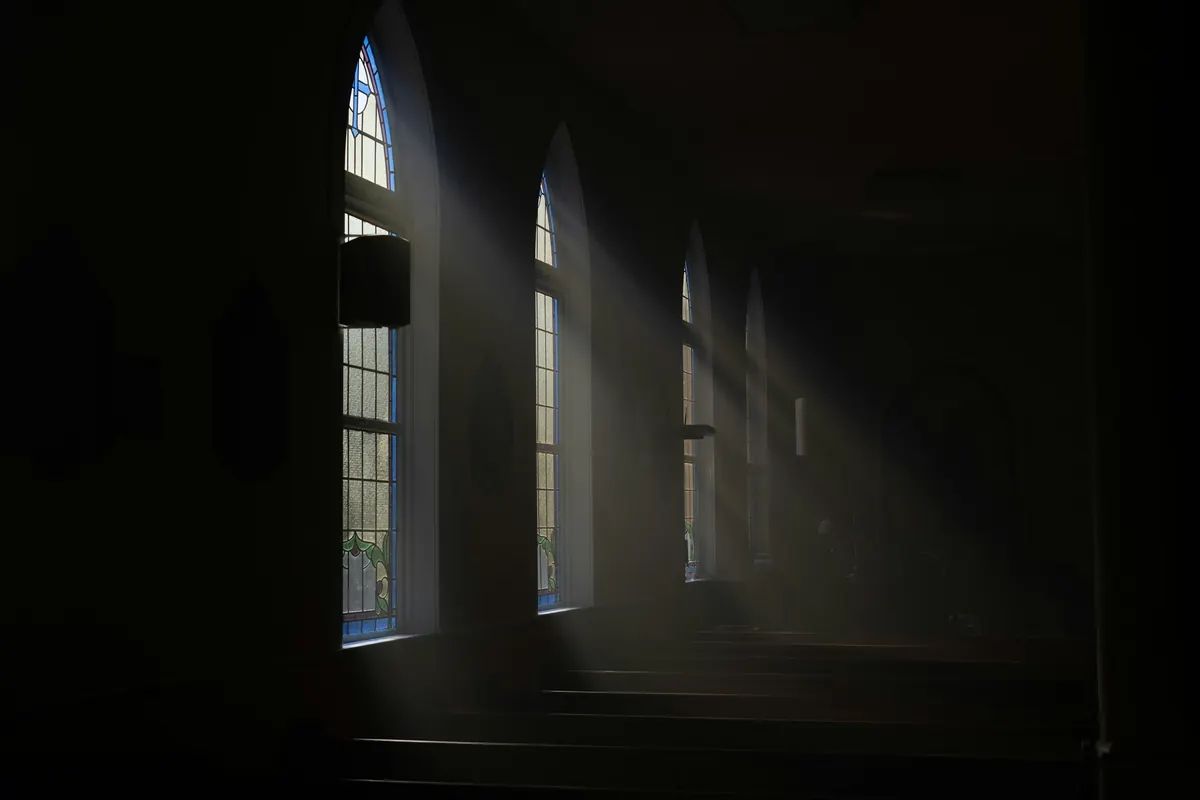
The house is quiet again. Someone gets up for water.
At this hour, beauty gives way to something equally important: finding the way safely. A suitable nightlight or gentle circulation light can help where needed. Keep stairs, hallways, and obstacles visible enough for the people using them.
Not every moment calls for an atmospheric glow. Some moments simply call for seeing where you're going.
And then, a few hours later, daylight returns through the curtains. The house begins again.
The light you already have
What did we change during those twenty-four hours?
Almost nothing.
We watched the windows. We noticed the activities. We switched on a different lamp, tried another arrangement, and allowed some corners to become quieter when they weren't needed.
The house wasn't redesigned. It was understood.
That same idea appears in our story about the Paris apartment: the most memorable interiors aren't always the ones with the most impressive features. They're the ones that feel connected to the way someone lives.
Maybe that's the real pleasure of lamp light.
It reminds us that a familiar home can surprise us without becoming a different one.
Sources & notes
- Lighting trend: 1stDibs, 2026 Interior Design Trends survey. It measures designers' expectations, not market share or sales.
- Ambient, task and accent lighting; dimmer and bulb compatibility: U.S. Department of Energy.
- The hours and scenes are an original literary device, not universal daylight times.
- Photos (Unsplash License): Sreeraj S, Kelly Moon, Kendrick Fernandez, Minha Baek, Unsplash contributor, Adele Nosova, Tasty Trip, Matt Richmond, Julian Rösner, Franco Debartolo, Niklas.
Son las seis y dieciocho de la mañana y el departamento todavía está medio dormido.
Una línea de luz se filtra entre las cortinas. El piso está fresco bajo los pies descalzos. Desde la cocina llega el sonido de una pava que empieza a calentarse.
Todavía no encendiste ninguna lámpara, pero la casa ya está cambiando.
Al mediodía, las paredes van a parecer más claras. A la tarde, los muebles van a proyectar otras sombras. Y después de cenar, una pequeña lámpara puede hacer que un rincón conocido parezca completamente distinto.
Muchas veces decoramos como si nuestras casas fueran fotografías. Pero una casa nunca está quieta.
La luz la recorre, cambia su aspecto, descubre detalles que habíamos olvidado y, de vez en cuando, deja en evidencia el polvo que preferíamos no ver.
Por eso, antes de comprar una lámpara nueva, hagamos algo diferente: observemos cómo se ilumina una casa durante un día entero. Los horarios son imaginarios; la luz natural cambia según el lugar, el clima y la estación.
Lo importante no es el reloj. Es descubrir qué sucede entre una luz y la siguiente.
06:18Antes de que despierte la ciudad
El dormitorio todavía tiene tonos grises.
Una almohada, una silla, un libro sobre la mesa de luz. No hace falta iluminarlo todo de golpe.
Hay algo especialmente lindo en dejar que la mañana llegue de a poco.
Abrí las cortinas cuando tengas ganas y observá dónde cae la primera luz. ¿Sobre un mueble? ¿En el piso de madera? ¿En ese cuadro que hace meses no mirás con atención?
Quizás lo más interesante de la habitación ya estaba ahí.
Para observar: ¿qué rincón de tu dormitorio se ve hermoso por la mañana sin necesidad de encender una lámpara?
08:10La cocina necesita sinceridad
La casa ya está despierta.
Alguien corta pan, busca una cuchara limpia o intenta leer una receta antes de terminar el café.
Este no es el momento de apostar por la penumbra romántica. En la cocina necesitamos ver bien lo que hacemos. La luz del techo puede ser exactamente lo que hace falta, acompañada por iluminación adecuada sobre la mesada.
La idea no es eliminar las luces de techo. Es dejar de pedirle a una sola lámpara que resuelva todas las situaciones.
Primero, lo práctico. Después, la atmósfera. Y, cuando se puede, ambas cosas.
10:45El escritorio y la ventana
A media mañana, la luz llega al escritorio.
Hay un cuaderno abierto, un vaso de agua y la sombra de una planta que se mueve casi imperceptiblemente sobre la pared.
Si trabajás o leés ahí, prestá atención a cómo cae la luz. Una ventana hermosa no ayuda demasiado si el reflejo te impide ver la pantalla.
Probá cambiar un poco el ángulo de la silla o el escritorio, si el espacio te lo permite. Y cuando necesites concentración, usá una lámpara que ilumine directamente la superficie de trabajo.
La buena iluminación debería acompañarte, no convertir cada actividad cotidiana en una producción fotográfica.
13:20La belleza de lo común
Al mediodía, la casa puede estar en su momento más luminoso.
Mirá la mesa. Las vetas de la madera se hacen más visibles. Una taza de cerámica muestra pequeños cambios de tono. Hasta las arrugas de un mantel de lino parecen interesantes.
No agregaste nada. La luz simplemente permitió que aparecieran esos detalles.
Parte del encanto de los materiales naturales está ahí: cambian según cómo los miramos.
Antes de reemplazar un objeto porque te parece aburrido, probá observarlo a otra hora del día. Quizás no necesitaba una decoración nueva.
Necesitaba otro momento.
16:35Entre dos luces
La tarde empieza a apagarse.
El living, que hace unas horas estaba lleno de claridad, cambia lentamente. Una parte todavía recibe luz; otra ya quedó en sombra.
Es acá donde las lámparas empiezan a tener otro protagonismo. No solo por su diseño, sino por la manera en que pueden reorganizar un ambiente.
Una lámpara de mesa junto al sillón invita a leer. Una lámpara de pie cerca del sofá acompaña una conversación. Una luz pequeña sobre una cómoda puede darle presencia a un rincón que durante el día pasa inadvertido.
El estudio habla de expectativas de profesionales del diseño, no de lo que todas las casas necesitan. Una lámpara colgante puede convertirse en el centro visual de un ambiente. Una lámpara de mesa que ya tenés puede transformar tu manera de pasar la noche.
Son funciones diferentes.
18:10El experimento de apagar la luz del techo
Ya es de noche.
Alguien entra al living y enciende la luz principal. Todo queda iluminado por igual: el sofá, la biblioteca, los papeles sobre la mesa y ese rincón que hace días necesita un poco de orden.
No tiene nada de malo. La luz general es importante para limpiar, encontrar objetos y circular con seguridad.
Pero probá un experimento.
No descubriste una regla universal de decoración. Descubriste que tu living puede tener más de una personalidad.
19:30La cena no necesita reflectores
La comida llega a la mesa. Alguien sigue en la cocina. La conversación continúa mientras otra persona acerca el pan.
La iluminación también forma parte de la manera en que compartimos un momento. Necesitamos ver las caras, la comida y a quienes están sentados con nosotros. Pero también queremos que el ambiente se sienta relajado.
Si la lámpara que cuelga sobre la mesa funciona bien, no hay ninguna razón para cambiarla. Si la luz resulta demasiado intensa, podés probar con una lámpara cercana o regular la intensidad, siempre que la instalación y las lámparas lo permitan.
La idea no es cenar a oscuras. Es encontrar un equilibrio entre ver bien y sentirse a gusto.
Y poder distinguir la sal del azúcar, por supuesto.
21:15Una pequeña isla de luz
La cena terminó. La casa empieza a quedarse en silencio.
Te sentás con un libro y encendés una lámpara. La luz ilumina las páginas mientras el resto de la habitación queda más tranquilo.
Hay una idea sencilla de diseño detrás de esto. La iluminación puede cumplir distintas funciones: dar luz general, ayudar con una tarea concreta o destacar algunos objetos y detalles.
Una lámpara de lectura no necesita iluminar todo el living. Pero sí tiene que permitirte leer cómodamente.
La buena iluminación no necesita mostrarlo todo. Nos ayuda a descubrir lo que importa en cada momento.
Cada actividad puede tener la luz que necesita. Y no todos los rincones tienen que competir por nuestra atención.
Cinco movimientos para cambiar la luz de tu casa
- 1Empezá observando.
Con luz natural suficiente o iluminación que permita circular de manera segura, mirá qué partes del ambiente necesitan más luz.
- 2Encendé la luz principal.
Prestá atención a lo que hace bien: iluminar para limpiar, ordenar o moverte.
- 3Sumá una lámpara pequeña.
Ubicala de manera segura cerca de una actividad concreta, como leer o descansar.
- 4Compará las combinaciones.
Probá la luz del techo sola, la lámpara pequeña sola cuando sea seguro y ambas al mismo tiempo.
- 5Elegí según lo que estés haciendo.
No busques la imagen más espectacular. Buscá la luz que te resulte más cómoda.
Mantené los cables fuera de las zonas de paso, usá lámparas y focos compatibles y nunca cubras una luminaria con telas para suavizar la luz.
23:05La última lámpara
De noche, el dormitorio necesita otra atmósfera.
Quizás una luz pequeña para leer. O una lámpara de pared que permita que una persona siga despierta mientras la otra descansa.
Lo importante es poder encontrar las cosas, moverse cómodamente y no tener que iluminar toda la habitación para cada pequeño gesto. No hace falta un dormitorio de película: tiene que funcionar para quienes duermen ahí.
Antes de acostarte, fijate cuál es la última lámpara que apagás. Ese gesto cotidiano puede decir mucho más sobre tus hábitos que una colección completa de imágenes de inspiración.
02:14La luz que casi no vemos
La casa vuelve a quedarse en silencio. Alguien se levanta a buscar agua.
A esta hora hay algo tan importante como la belleza: poder caminar sin tropezarse. Una luz nocturna adecuada puede ayudar a iluminar pasillos o recorridos necesarios. Las escaleras, los obstáculos y las zonas de paso tienen que ser visibles para quienes los usan.
No todos los momentos necesitan una iluminación especial. Algunos simplemente necesitan que veamos por dónde caminamos.
Unas horas después, la claridad vuelve a entrar entre las cortinas. Y todo empieza otra vez.
La luz que ya tenés
¿Qué cambiamos durante estas veinticuatro horas?
Casi nada.
Observamos las ventanas, prestamos atención a lo que hacemos, encendimos otra lámpara y descubrimos que algunos rincones pueden quedarse más tranquilos cuando no los estamos usando.
No rediseñamos la casa. La entendimos un poquito mejor.
Esa misma mirada aparece en nuestro artículo sobre el departamento parisino: los interiores más memorables no siempre son los que tienen elementos extraordinarios, sino aquellos que reflejan la manera de vivir de alguien.
Quizás ahí esté el verdadero encanto de la luz de las lámparas.
Nos recuerda que una casa conocida todavía puede sorprendernos, sin necesidad de convertirse en otra.
Fuentes y notas
- Tendencia de iluminación: encuesta 2026 Interior Design Trends de 1stDibs. Mide expectativas de diseñadores, no ventas.
- Iluminación general, de tareas y de acento; compatibilidad de reguladores y lámparas: Departamento de Energía de EE. UU.
- Las horas y escenas son una construcción literaria, no horarios universales de luz natural.
- Fotos (licencia de Unsplash): Sreeraj S, Kelly Moon, Kendrick Fernandez, Minha Baek, Unsplash contributor, Adele Nosova, Tasty Trip, Matt Richmond, Julian Rösner, Franco Debartolo, Niklas.