20:16A December evening
The kitchen table has become a small wrapping station. There's a pair of scissors beside a mug of tea, a roll of brown paper that has seen better days, and a ribbon rescued from a gift someone gave you last Christmas.
The tape has disappeared. Naturally.
Across the room, the tree is glowing. There's music playing softly, and you have three presents left to wrap before calling it a night.
You could put them in bags and be finished in five minutes. But something makes you stay at the table.
You fold the paper, smooth a corner, and tie an oversized bow. The ribbon is a little creased, and the knot isn't exactly centered.
Still, the parcel looks wonderful. Not because it's perfect.
Because someone took the time.
The decoration before the gift
We tend to think of gift wrapping as the last task before Christmas: something to finish, hide under the tree, and eventually tear open.
But wrapped presents can become part of a room's festive atmosphere. A small stack of parcels in different shades of brown and cream. One tartan ribbon among the plain packages. A handwritten note tucked beneath a piece of string.
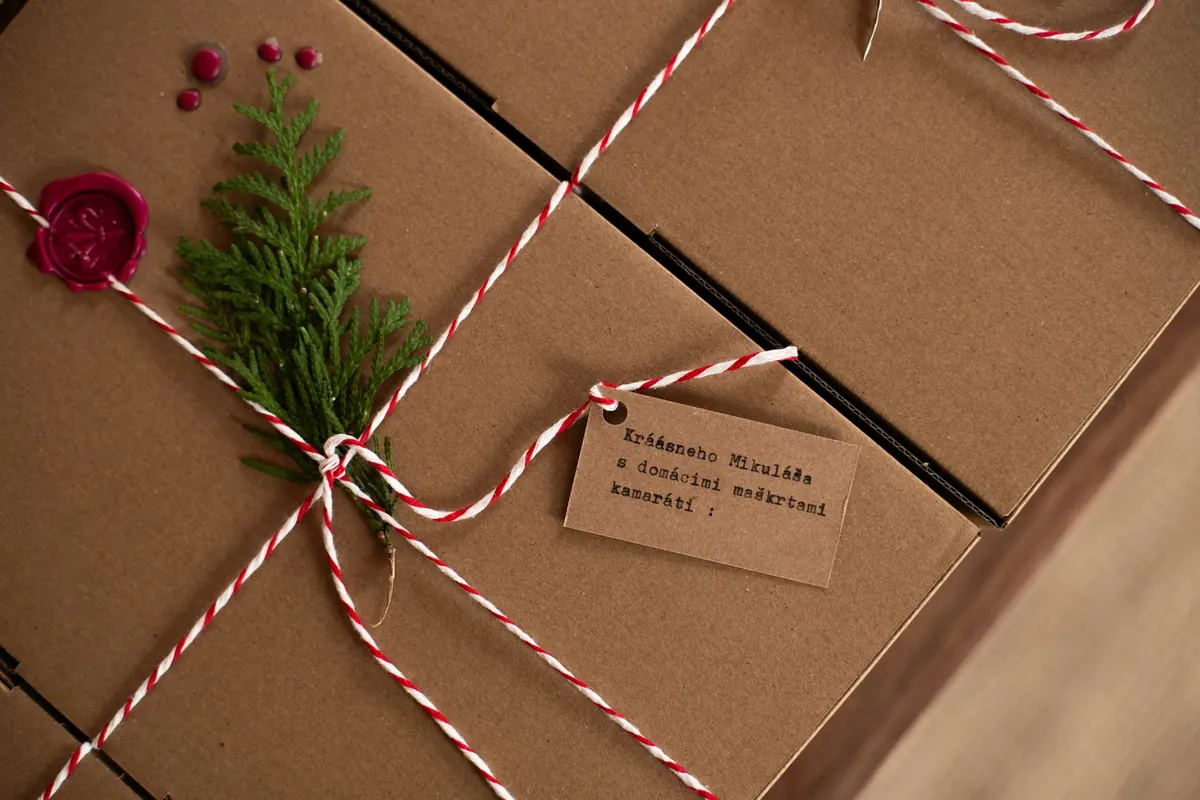
They can be beautiful without looking identical. And this year, the design conversation has made room for that kind of character.
Ideal Home's 2026 Christmas trends coverage highlights oversized bows, heritage tartan, and handmade details. But there's no reason to turn those ideas into another shopping list.
A generous bow can come from fabric you already own. A checked kitchen towel can become wrapping. Plain paper can make the simplest box feel considered.
The interesting part isn't the trend. It's what you decide to do with it.
One gift, beautifully wrapped
Let's start with the most ordinary parcel: a rectangular box, a piece of plain or reused kraft paper, a little tape, and some string. No specialist tools. No elaborate folding technique. Just a few thoughtful movements.
Eight steps, one kraft parcel
- 1Start with the box
Place the gift inside a clean, sturdy box you already have. A simple shape is easier to wrap, and reusing a suitable box is often more practical than buying packaging.
- 2Measure before cutting
Lay the box face down on the paper. Leave enough paper to overlap underneath and fold over both ends. Trim the excess; too much paper creates bulky corners.
- 3Close the long seam
Bring one long edge over the box, then the other. Fold the visible edge inward for a cleaner finish and secure underneath with a small piece of tape.
- 4Fold the short ends
Push the side flaps inward to form neat triangles. Fold the upper flap down, then the lower flap up, securing the paper without covering the whole parcel in tape.
- 5Add the string
Pass string or reusable ribbon around the box lengthwise and across its width. Tie a firm knot at the top without pulling hard enough to crush the corners.
- 6Make one generous bow
Use an old ribbon or fabric strip. Form two large loops, cross one over the other, pull through, and adjust gently. Let the tails fall naturally rather than cutting them perfectly even.
- 7Add something personal
Tuck a handwritten tag, small paper star, or another lightweight detail beneath the ribbon. One meaningful touch is enough.
- 8Put it somewhere lovely
Place the wrapped gift on a stable shelf or beneath the tree, away from heat and walking paths. Let it become part of the room until it's time to give it away.
The result doesn't have to look professionally wrapped. It has to make someone smile before they even know what's inside.
Ten details worth trying
Think of these as small additions to the materials already sitting in your drawers. You don't need all ten on a single parcel.
Kraft paper, quietly beautiful
Plain brown paper makes a lovely background for handwritten labels, natural textures, and old ribbons. If you already have a roll or an unprinted paper bag, start there.
One oversized bow
Instead of several tiny decorations, let one XL bow become the focal point. Try a wide ribbon or a soft fabric strip saved from an earlier project.
The simplest cross
Tie cotton string or twine around the parcel in two directions. Leave the knot visible and add a small handwritten tag. The result feels considered without being elaborate.
A little tartan
Use a clean strip of checked fabric or a tartan ribbon you already own. Wrap it around a plain package once. A small amount of pattern goes a long way.
The box with another life
Reuse a sturdy gift box, shoe box, or clean packaging box. If its surface is attractive, skip the wrapping paper and finish it with a ribbon.
A star instead of a plastic topper
Cut a simple star from leftover paper or thin cardboard. Make a small hole and tie it beneath the bow. Write the year on the back if you want to keep the memory.
The note under the ribbon
Fold a small envelope from scrap paper and tuck a message inside. A favorite memory or a few personal words can become the most meaningful part of the package.
A little touch of green
Slip a clean, suitable sprig or leaf beneath the string shortly before gifting. Keep botanical materials away from heat, food-contact surfaces, and pets that might chew them.
The woodland detail
Attach a small, clean, dry pinecone securely to a package using string. It works particularly well with kraft paper. Avoid loose small pieces around very young children.
A tag worth keeping
Cut a heart or rectangle from old cardboard and write the recipient's name by hand. Leave space on the back for the date or a sentence they'll want to remember.
A present wrapped in fabric
There's another beautiful possibility sitting in the linen drawer. A clean square scarf. A cloth napkin. A lightweight tea towel.
In Japan, furoshiki is a long-established tradition of using cloth to wrap and carry objects. It offers inspiration for a reusable alternative to disposable gift wrap.
The cloth can become part of the present, if the recipient wants to keep and reuse it. Or you can make the wrapping itself a little family tradition, passing the same fabric back and forth over the years.
Neither option requires buying something new. And there's a lovely difference between a parcel designed to be discarded and one that might have another life.
When the wrapping starts decorating the room
Now imagine three gifts beneath the tree. One is wrapped in kraft paper with an enormous burgundy bow. Another wears a strip of tartan fabric. The third is folded into a soft linen square, its knot resting gently on top.
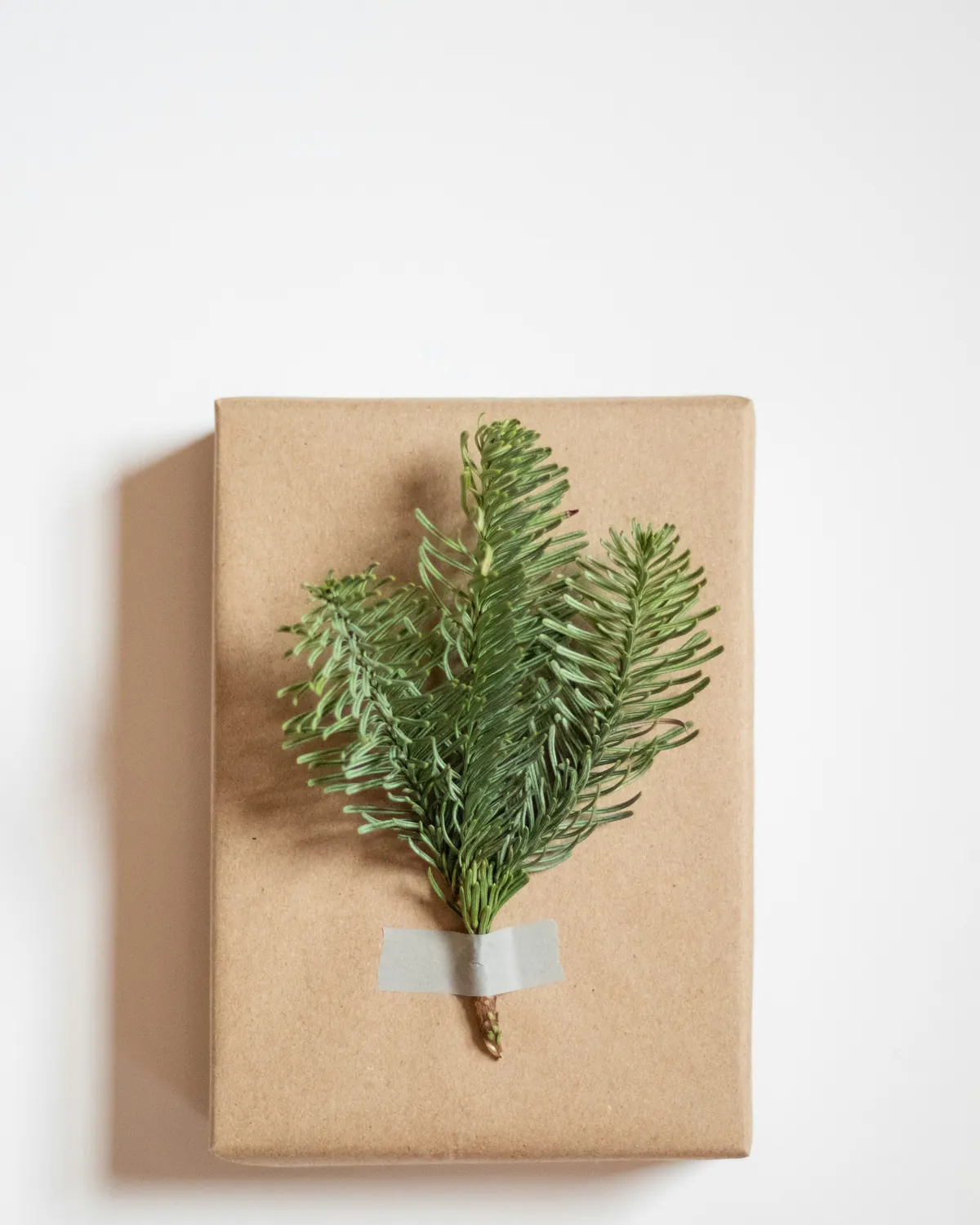
They don't match exactly. But they share something: familiar materials, a little restraint, and evidence of human hands.
You can repeat one element to make the group feel connected. Perhaps the same handwritten tag, a similar ribbon color, or a natural paper background. Leave the rest different.
Christmas doesn't need another perfectly coordinated collection. It needs the things that make your home feel like yours.
A beautifully wrapped gift doesn't announce how much you spent. It shows that you thought about someone.
A practical note about waste
Reusing materials is a lovely habit, but not every wrapping paper belongs in the recycling bin. Some shiny, laminated, or coated gift papers may not be accepted by local recycling programs.
When you're finished, save ribbons, boxes, gift bags, and tissue paper that can be used again. Check local recycling rules before discarding the rest.
Don't sacrifice the contents of a useful book or a cherished document to create packaging. Scrap paper, old magazines already destined for disposal, and clean packaging are better starting points.
The goal is to be thoughtful, not to make wrapping another complicated moral obligation.
The gift before it is opened
Later, the table is clear. The scissors have been found. The last parcel is resting beneath the tree, a slightly uneven bow catching the light.
For a moment, you imagine the person who will receive it. Perhaps they'll untie the ribbon carefully. Perhaps they'll tear through the paper in three seconds.
Either way, the gesture has already meant something.
If you love objects that carry personal histories, you may also enjoy our story about the Paris apartment and how to live with what you love.
Because wrapping, like decorating, is rarely about creating something flawless. It's about attention.
And sometimes the smallest details are the ones that stay with us.
Sources & notes
- Trends: Ideal Home, Christmas Decor Trends 2026 (Sara Hesikova, October 12, 2026) highlights heritage tartan, oversized bows and handmade elements. No search or sales figures are used here.
- Furoshiki: cultural reference from The Japan Foundation on the Japanese tradition of wrapping and carrying objects in cloth.
- Reuse and recycling: the U.S. EPA encourages reusing paper, bags, boxes and other gift materials; laminated or coated papers may not be recyclable, depending on the local programme.
- Photos (Unsplash License): Fiona Murray-deGraaff, Raymond Petrik.
20:16Una noche de diciembre
La mesa de la cocina se convirtió en un pequeño taller de envoltorios. Hay una tijera junto a una taza de té, un rollo de papel madera bastante usado y una cinta que rescataste de un regalo de la Navidad pasada.
La cinta adhesiva desapareció. Por supuesto.
Del otro lado de la habitación, el árbol está encendido. Suena música bajita y todavía te quedan tres regalos por envolver.
Podrías ponerlos en bolsas y terminar en cinco minutos. Pero algo te hace quedarte un rato más.
Doblás el papel, acomodás una esquina y preparás un moño enorme. La cinta tiene algunas arrugas y el nudo no quedó perfectamente centrado.
Igual, el paquete está precioso. No porque sea perfecto.
Sino porque alguien le dedicó tiempo.
La decoración que llega antes del regalo
Solemos pensar en el envoltorio como la última tarea antes de Navidad: algo que hay que terminar, esconder debajo del árbol y finalmente romper para descubrir lo que hay adentro.
Pero los regalos envueltos también pueden formar parte de la decoración. Algunas cajas en tonos madera y crema. Una cinta de tartán entre paquetes lisos. Una nota escrita a mano debajo de un hilo.
No necesitan ser idénticos para verse lindos juntos. Y este año hay un renovado interés por ese tipo de detalles.
El informe de tendencias navideñas 2026 de Ideal Home destaca los moños XL, el tartán clásico y los adornos hechos a mano. Pero no hace falta convertir esas ideas en otra lista de compras.
Un moño generoso puede salir de una tela que ya tenías. Un repasador a cuadros puede transformarse en envoltorio. Un papel sencillo puede hacer que hasta una caja común se vea especial.
Lo interesante no es seguir una tendencia. Es descubrir qué podemos hacer con ella.
Un regalo, envuelto con cariño
Empecemos por algo sencillo: una caja rectangular, papel madera o kraft que ya tengas, un poquito de cinta adhesiva y algo de hilo. Sin herramientas especiales ni técnicas complicadas. Solo algunos movimientos hechos con atención.
Ocho pasos, un paquete de papel madera
- 1Empezá por la caja
Colocá el regalo dentro de una caja limpia y firme que ya tengas. Las formas simples son más fáciles de envolver y reutilizar una caja adecuada suele ser más práctico que comprar otra.
- 2Medí antes de cortar
Apoyá la caja boca abajo sobre el papel. Dejá suficiente material para superponer los bordes debajo y cerrar los extremos. Recortá el exceso para que no queden esquinas abultadas.
- 3Cerrá la unión principal
Llevá un lado largo del papel sobre la caja y después el otro. Doblá hacia adentro el borde que queda visible y sujetalo por debajo con un pedacito de cinta adhesiva.
- 4Doblá los extremos
Meté los laterales hacia adentro formando triángulos. Bajá la solapa superior y después subí la inferior. Sujetá sin cubrir todo el paquete de cinta.
- 5Agregá el hilo
Pasalo alrededor de la caja en ambos sentidos y anudalo arriba. Ajustalo lo suficiente para que quede firme, pero sin deformar las esquinas.
- 6Prepará un moño generoso
Usá una cinta recuperada o una tira de tela. Formá dos lazos, cruzalos, pasá uno por el centro y ajustá. Dejá que las puntas caigan naturalmente. No necesitan terminar a la misma altura.
- 7Sumá algo personal
Colocá debajo de la cinta una etiqueta escrita a mano, una estrella de papel o un pequeño detalle liviano. Uno solo puede alcanzar.
- 8Dale un lugar especial
Dejá el regalo en una repisa firme o debajo del árbol, lejos del calor y de los lugares de paso. Hasta el momento de entregarlo, también puede decorar la casa.
El resultado no tiene que parecer hecho por una profesional. Tiene que conseguir que alguien sonría incluso antes de abrirlo.
Diez pequeños detalles que cambian un paquete
No necesitás ponerlos todos juntos. Elegí los que mejor se adapten a los materiales que tenés guardados.
Papel madera, sin complicaciones
El kraft es un fondo hermoso para etiquetas escritas a mano, cintas antiguas y texturas naturales. Si tenés un rollo empezado o una bolsa de papel lisa, podés empezar por ahí.
Un moño XL protagonista
En lugar de sumar muchos adornitos, dejá que un solo moño grande sea el detalle principal. Probá con una cinta ancha o una tira de tela que haya sobrado de otro proyecto.
El encanto del hilo cruzado
Pasá hilo de algodón o cordel alrededor del paquete en dos sentidos. Dejá el nudo visible y agregá una etiqueta pequeña. Simple, cálido y sin demasiadas vueltas.
Un poquito de tartán
Rescatá una tira de tela a cuadros o una cinta de tartán. Envolvé una vez la caja con ella. No hace falta llenar el paquete de estampados: una franja puede ser suficiente.
La caja que tiene otra oportunidad
Reutilizá una caja de regalo, de zapatos o de otro producto, siempre que esté limpia y firme. Si tiene una superficie linda, podés dejarla sin papel y terminarla con un moño.
Una estrella en lugar del adorno comprado
Cortá una estrella de cartón o papel sobrante, hacé un agujerito y sujetala debajo de la cinta. Escribí el año detrás si querés convertirla en un recuerdo.
El sobrecito escondido
Doblá un sobre pequeño con un retazo de papel y guardá una frase personal. Un recuerdo compartido o unas pocas palabras pueden terminar siendo lo más importante del regalo.
Una hojita verde
Colocá una ramita o una hoja limpia y apropiada debajo del hilo, poco antes de entregar el paquete. Evitá materiales vegetales cerca del calor, alimentos o mascotas que puedan morderlos.
Un detalle de bosque
Sujetá firmemente una piña pequeña, limpia y seca, con hilo sobre el envoltorio. Queda especialmente linda con papel madera. Evitá piezas pequeñas sueltas si hay chicos muy pequeños.
Una etiqueta que vale la pena guardar
Recortá un corazón o rectángulo de cartón usado y escribí el nombre a mano. Del otro lado, dejá una fecha o una frase que la otra persona quiera conservar.
Un regalo envuelto en tela
Hay otra posibilidad preciosa esperando en el cajón de los manteles y repasadores. Un pañuelo cuadrado y limpio. Una servilleta de tela. Un repasador liviano.
En Japón existe la tradición del furoshiki, que utiliza telas para envolver y transportar objetos. Su idea de reutilización también puede inspirarnos a evitar envoltorios descartables.
Si a la persona le gusta, el pañuelo o la tela pueden convertirse en parte del regalo y seguir utilizándose. O pueden ser algo que circule entre familiares y amigos: una misma tela que vuelve cada Navidad envolviendo un regalo diferente.
Ninguna de las dos opciones exige comprar algo. Y hay algo especialmente lindo en preparar un envoltorio que quizás también tenga otra vida.
Cuando los regalos empiezan a decorar la casa
Ahora imaginá tres paquetes debajo del árbol. Uno tiene papel madera y un moño bordó enorme. Otro está acompañado por una cinta de tartán. El tercero está envuelto en lino, con el nudo suave descansando sobre la caja.
No combinan perfectamente. Pero comparten algo: materiales conocidos, cierta sencillez y señales de que alguien los preparó con sus manos.
Podés repetir un detalle para relacionarlos: el mismo tipo de etiqueta, un color de cinta o una base de papel natural. El resto puede ser diferente.
La Navidad no necesita otra colección perfectamente coordinada. Necesita las cosas que hacen que tu casa se sienta tuya.
Un regalo bien envuelto no dice cuánto gastaste. Dice que pensaste en alguien.
Una pequeña nota sobre los materiales
Reutilizar envoltorios es una buena costumbre, pero no todos los papeles de regalo pueden reciclarse. Algunos papeles brillantes, laminados o con recubrimientos no son aceptados por los sistemas de reciclaje de ciertas ciudades.
Cuando termina la celebración, guardá las cintas, cajas, bolsas y papeles de seda que estén en condiciones de volver a usarse. Y antes de tirar el resto, revisá las reglas de reciclaje de tu localidad.
Tampoco hace falta romper un libro en buen estado o cortar un documento que querés conservar para preparar un paquete original. Los recortes, las revistas que ya no usás y los embalajes limpios pueden ser mejores materiales.
La idea es aprovechar lo que tenemos, no convertir el envoltorio en otra obligación complicada.
El regalo antes de abrirse
Más tarde, la mesa quedó despejada. La tijera apareció. El último paquete descansa debajo del árbol, con su moño un poquito desigual iluminado por las luces.
Por un momento imaginás a la persona que va a recibirlo. Quizás desate la cinta con cuidado. Quizás rompa el papel en tres segundos.
De cualquier manera, el gesto ya significó algo.
Si te gustan los objetos que guardan historias personales, podés leer también nuestro artículo sobre el departamento parisino y el arte de vivir con lo que queremos.
Porque envolver, igual que decorar, no consiste en conseguir algo impecable. Consiste en prestar atención.
Y a veces, los detalles más pequeños son los que más recordamos.
Fuentes y notas
- Tendencias: Ideal Home, Christmas Decor Trends 2026 (Sara Hesikova, 12 de octubre de 2026) destaca el tartán clásico, los moños extragrandes y lo hecho a mano. No se usan cifras de búsqueda ni de ventas.
- Furoshiki: referencia cultural de The Japan Foundation sobre la tradición japonesa de envolver y transportar objetos con telas.
- Reutilizar y reciclar: la U.S. EPA recomienda reutilizar papel, bolsas, cajas y otros materiales de regalo; los papeles laminados o con recubrimiento pueden no ser reciclables según el programa local.
- Fotos (licencia de Unsplash): Fiona Murray-deGraaff, Raymond Petrik.